GD Gaio
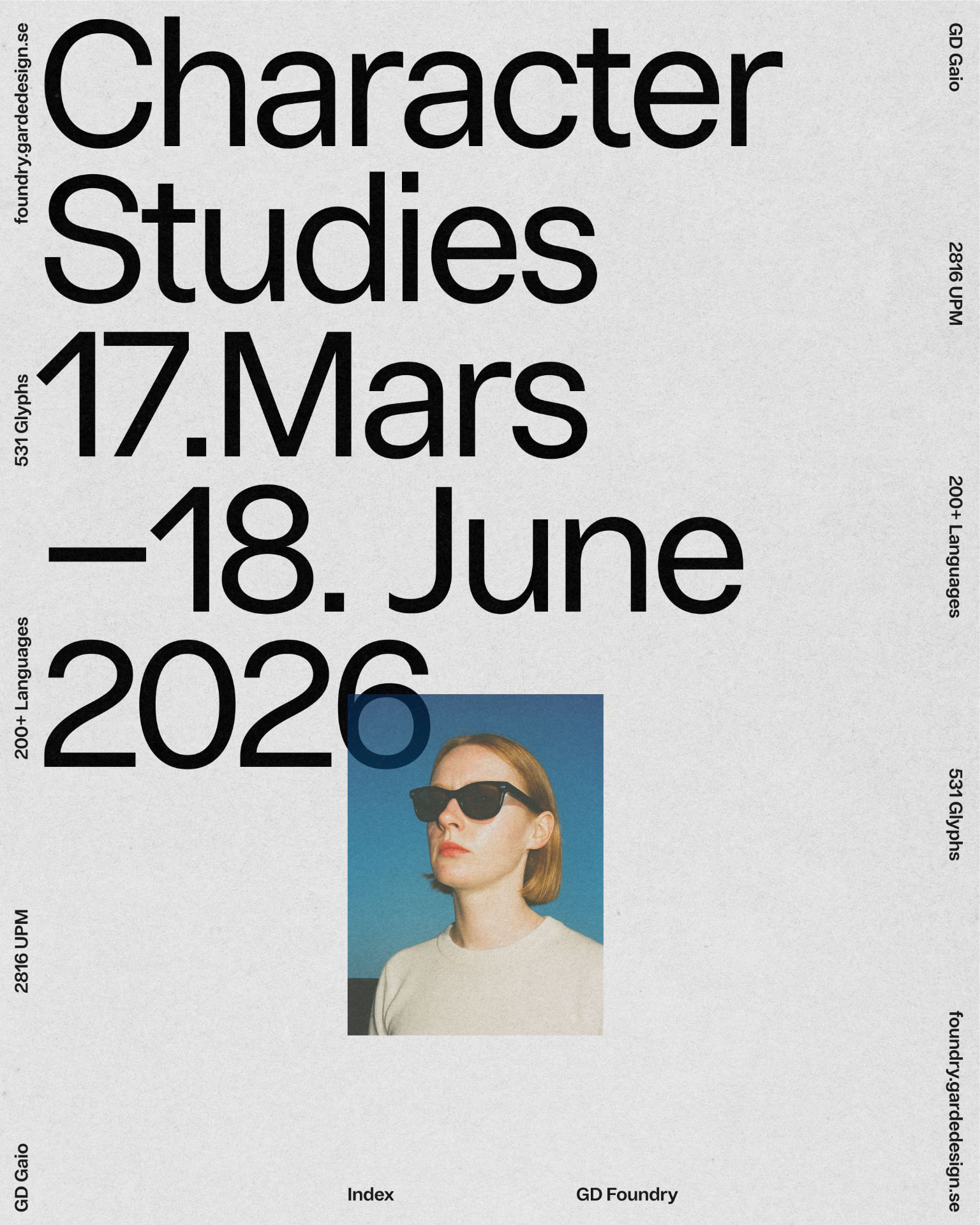
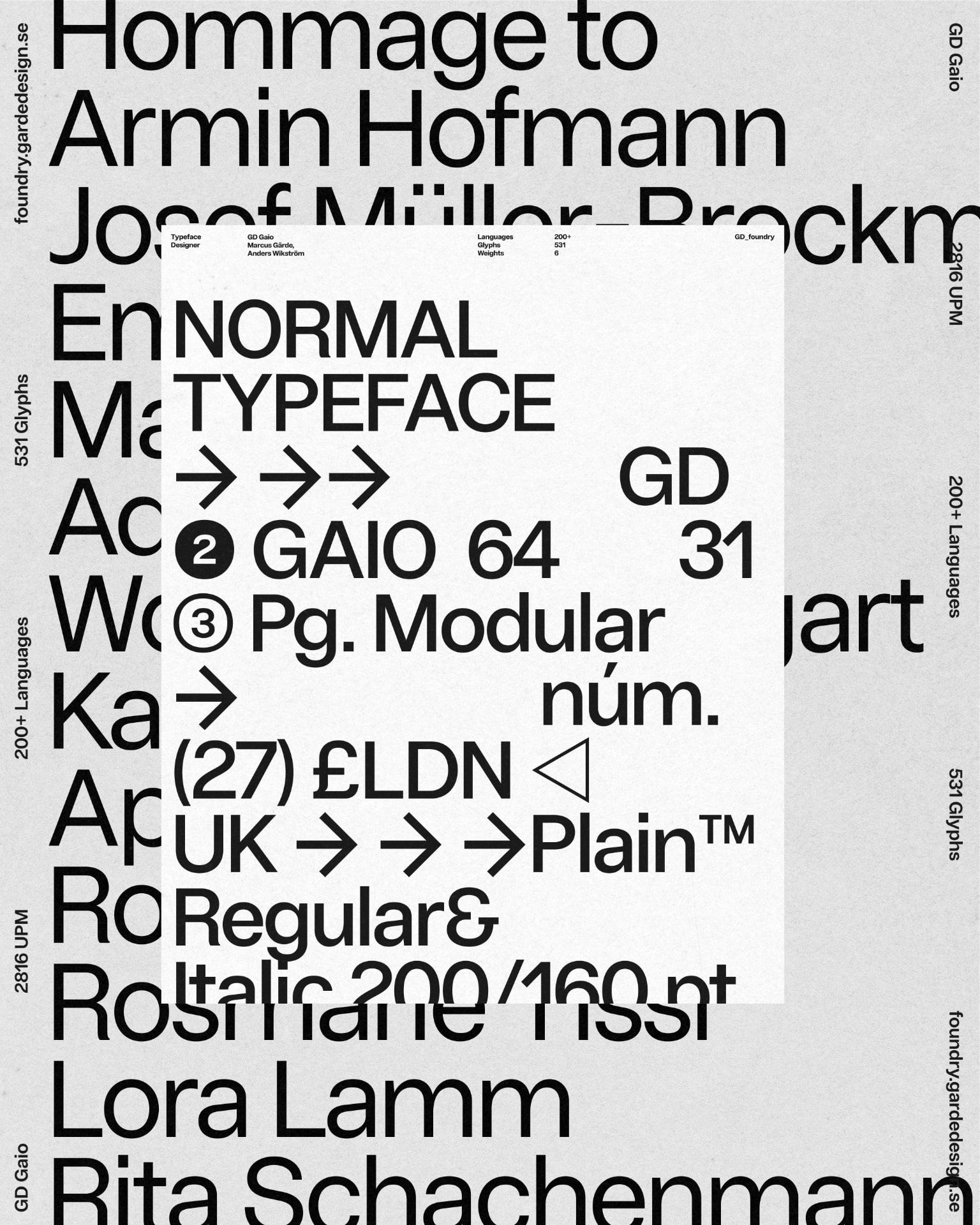
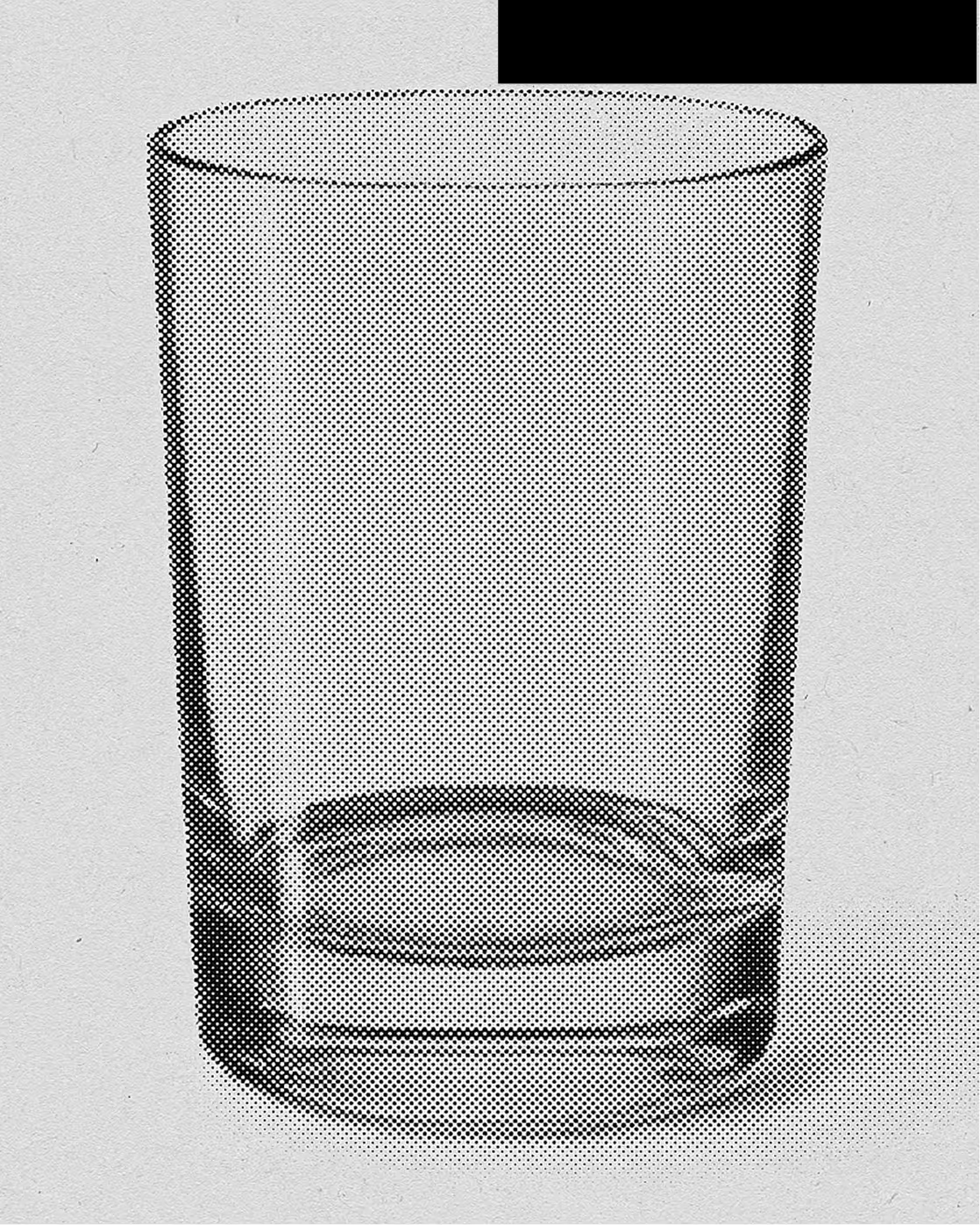
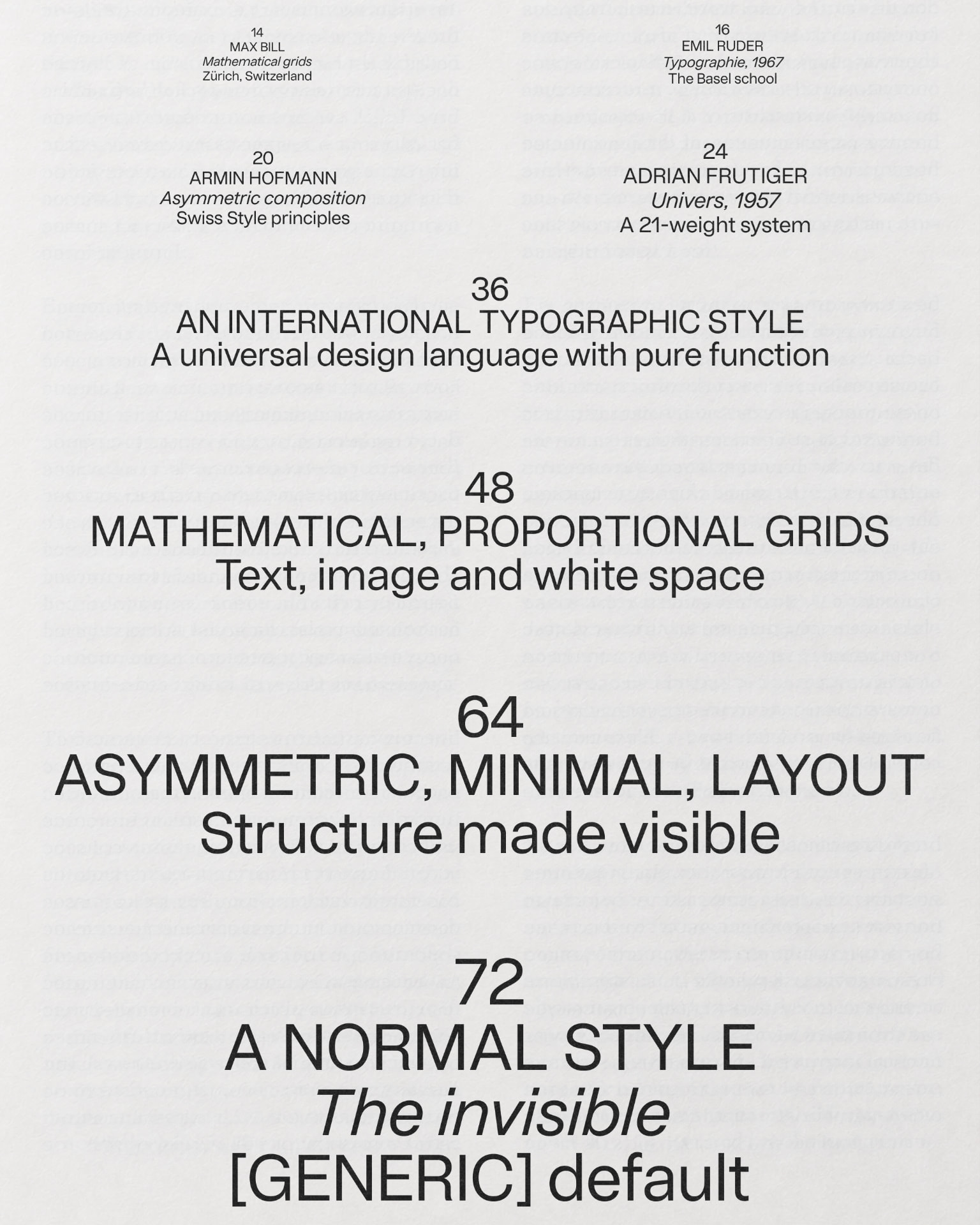
What if a typeface could simply disappear? GD Gaio was born from the long tradition of so-called “normal” typefaces, designs that deliberately avoided standing out. From early grotesques in the 19th century to the postwar pursuit of neutrality, designers searched for a letterform that carried no accent, no ego, only clarity. Beatrice Warde once compared good typography to a crystal goblet: it should hold the meaning without drawing attention to itself. In this spirit, Gaio continues the legacy of invisibility. It is not about charm, decoration, or display. It is about neutrality, a silent framework that allows words to pass through unfiltered. Optimized for clarity across screens and sizes, it serves as our house typeface, always present but never obtrusive. And because true communication must reach beyond borders, Gaio was built with support for over 200 languages, covering the Latin alphabet and its extensions. A typeface designed to disappear, so that meaning can appear.
- Year
- 2025
- Designer(s)
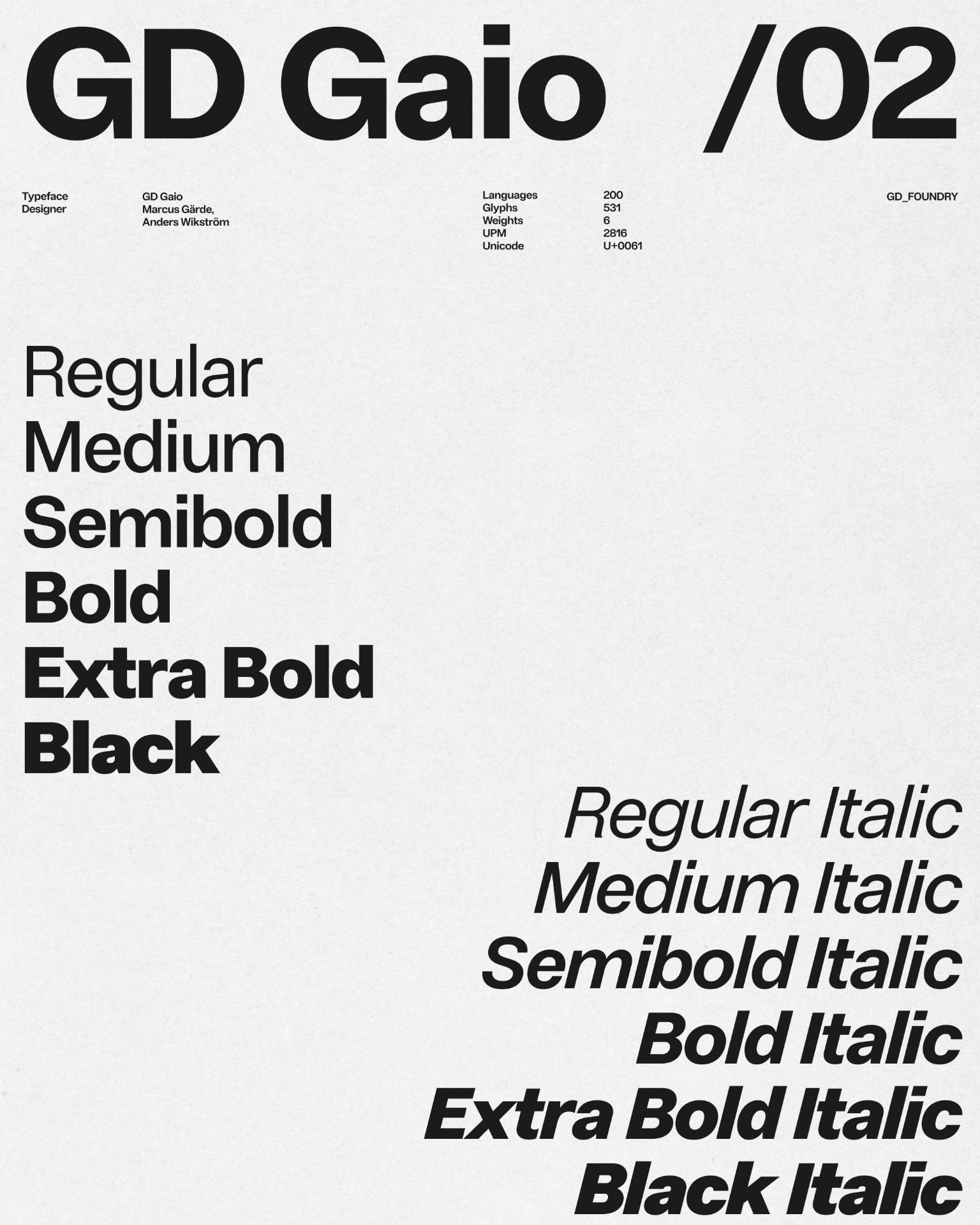
- Marcus Gärde · Anders Wikström
- Style
- Neo-Grotesk
- Weights
- Regular · Medium · Semibold · Bold · Extra Bold · Black · Regular Italic · Medium Italic · Semibold Italic · Bold Italic · Extra Bold Italic · Black Italic
- Features
- Open type Alternates · Proportional Numbers · Tabular Numbers
- Languages
- 200+
- UPM
- 2816
GD Gaio – The Neutral Sans
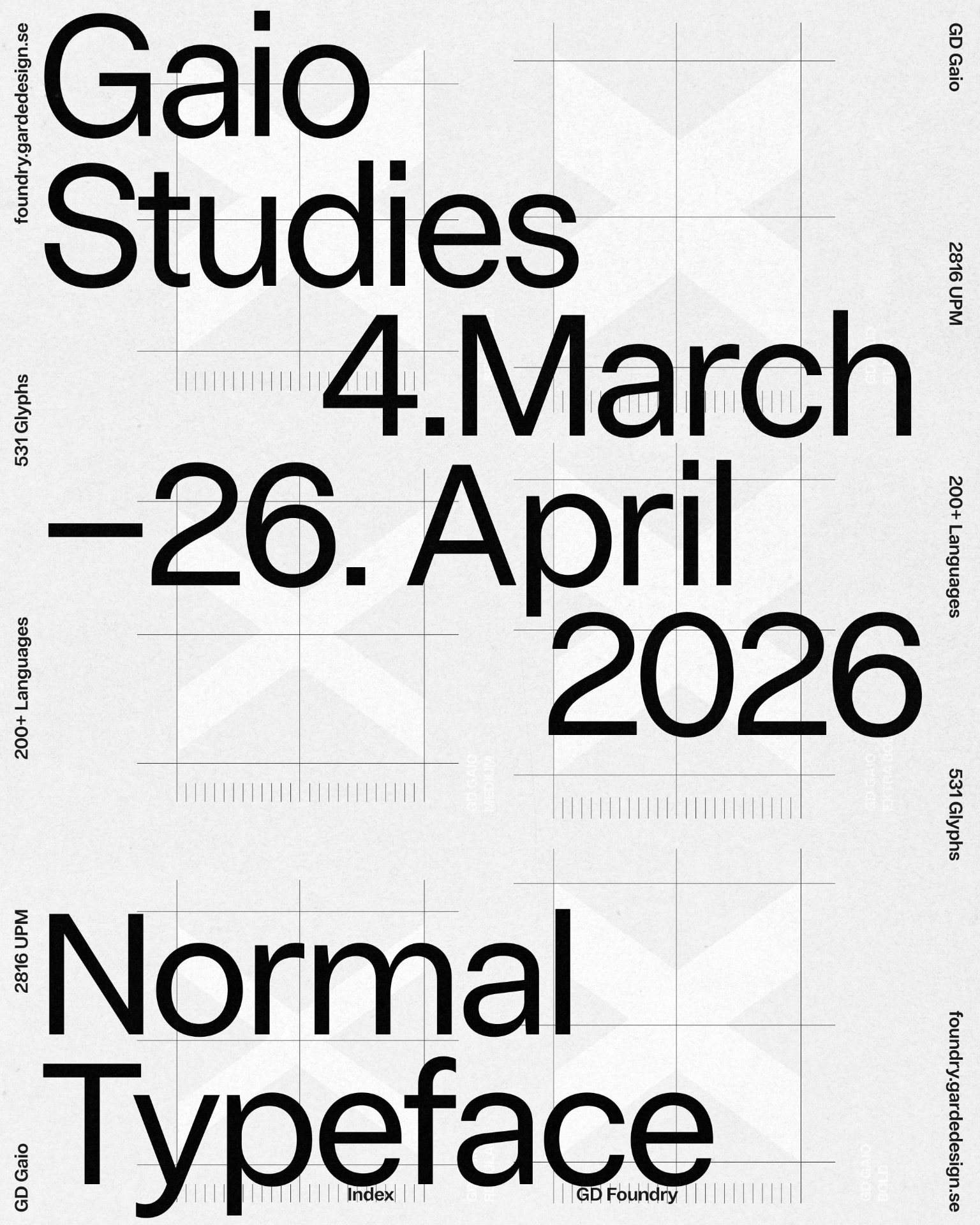
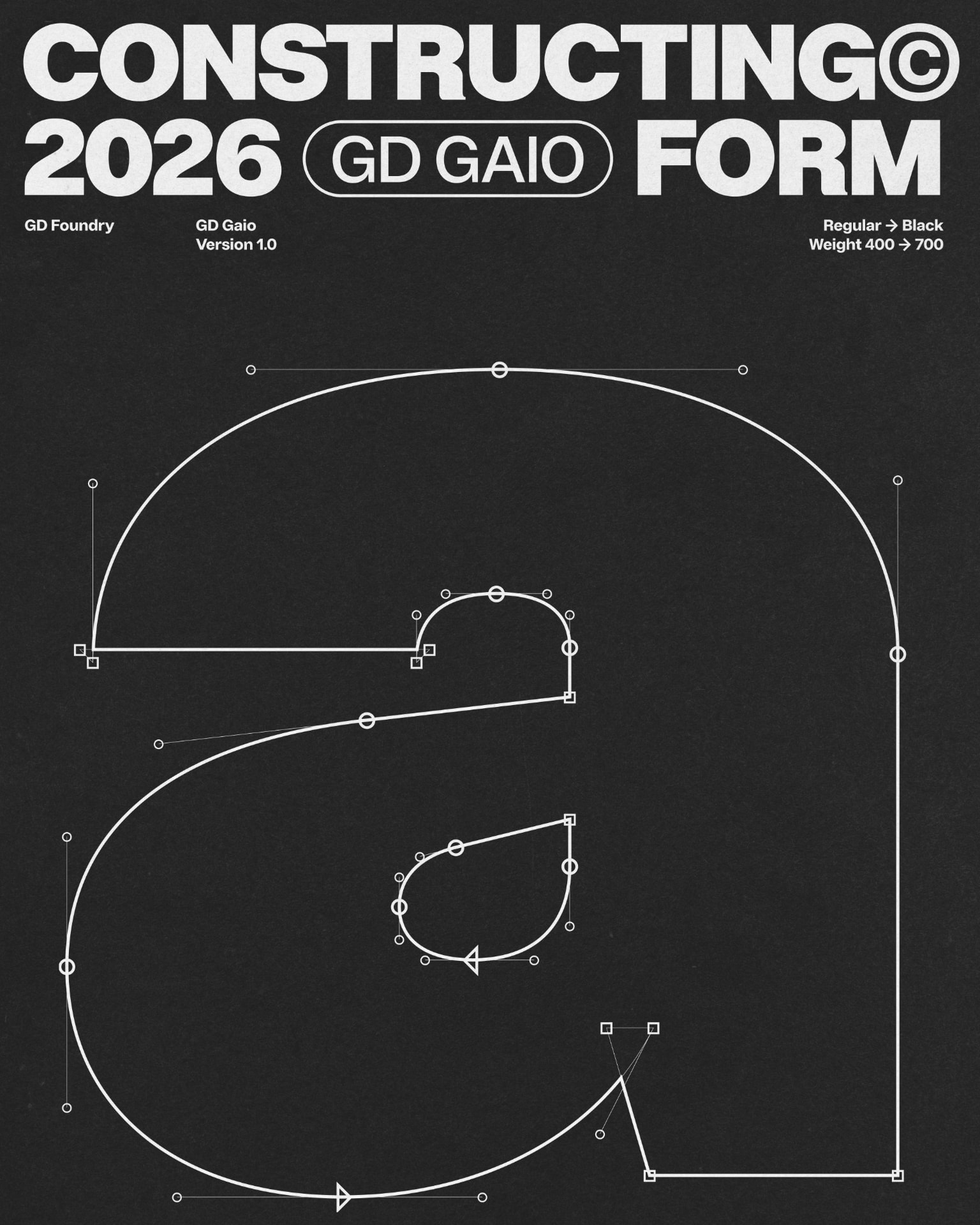
What if a typeface could simply disappear? GD Gaio was born from the long tradition of so-called “normal” typefaces, designs that deliberately avoided standing out. From early grotesques in the 19th century to the postwar pursuit of neutrality, designers searched for a letterform that carried no accent, no ego, only clarity. Beatrice Warde once compared good typography to a crystal goblet: it should hold the meaning without drawing attention to itself. In this spirit, Gaio continues the legacy of invisibility. It is not about charm, decoration, or display. It is about neutrality, a silent framework that allows words to pass through unfiltered. Optimized for clarity across screens and sizes, it serves as our house typeface, always present but never obtrusive. And because true communication must reach beyond borders, Gaio was built with support for over 200 languages, covering the Latin alphabet and its extensions. A typeface designed to disappear, so that meaning can appear.
- Year
- 2025
- Designer(s)
- Marcus GärdeAnders Wikström
- Style
- Neo-Grotesk
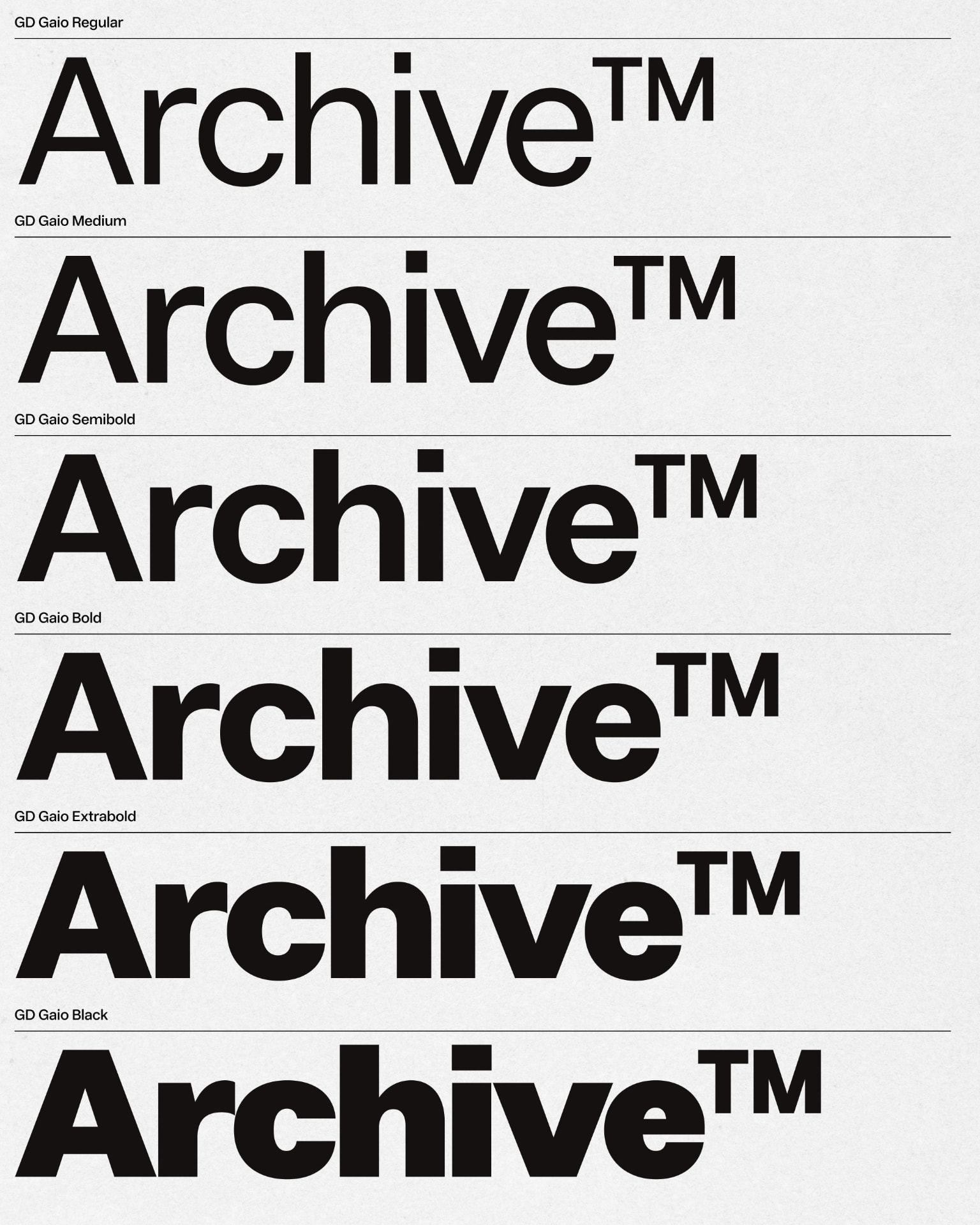
- Weights
- RegularMediumSemiboldBoldExtra BoldBlackRegular ItalicMedium ItalicSemibold ItalicBold ItalicExtra Bold ItalicBlack Italic
- Features
- Open type AlternatesProportional NumbersTabular Numbers
- Languages
- 200+
- UPM
- 2816
- GD Gaio
- Weight
- Light
- wght
- 400
- Range
- 400–900
- Unicode name
- Latin Capital Letter A
- Unicode decimal
- 65
- Unicode hex
- 0041
- Block
- Basic Latin
Latin script
Acheron, Achinese, Acholi, Afar, Afrikaans, Alekano, Amahuaca, Amarakaeri, Amis, Anaang, Dongolawi (Andaandi), Anuta, Aragonese, Arbëreshë Albanian, Asháninka, Ashéninka (Perené, Pichis), Balinese, Banjar, Bari, Basque, Batak (Dairi, Karo, Mandailing, Simalungun, Toba), Bemba (Zambia), Bena (Tanzania), Bikol, Bislama, Oromo (Borana, Arsi, Guji, Eastern, West Central), Breton, Buginese, Candoshi-Shapra, Caquinte, Caribbean Hindustani, Cashibo-Cacataibo, Cebuano, Aymara (Central, Southern), Chachi, Chamorro, Chavacano, Chiga, Chiltepec Chinantec, Chokwe, Chuukese, Cimbrian, Cofán, Cook Islands Māori, Cornish, Corsican, Creek, Crimean Tatar, Croatian, Czech, Dehu, Dutch, Arrernte (Eastern), English, Faroese, Fijian, Filipino, Finnish, French, Friulian, Gagauz, Galician, Ganda, Garifuna, German, Albanian (Gheg, Tosk), Gilbertese, Gooniyandi, Gourmanchéma, Guadeloupean Creole French, Gusii, Haitian Creole, Hani, Hiligaynon, Hopi, Huastec, Hungarian, Iloko, Indonesian, Irish, Istro-Romanian, Italian, Ixcatlán Mazatec, Jamaican Creole English, Javanese, Jola-Fonyi, K’iche’, Kabuverdianu (Cape Verdean Creole), Kalaallisut (Greenlandic), Kalenjin, Kaonde, Karelian, Kashubian, Q’eqchi’ (Kekchí), Kenzi-Mattokki, Khasi, Kimbundu, Kinyarwanda, Kituba (DRC), Kongo, Konzo, Kven Finnish, Ladin, Ladino (Judeo-Spanish), Latgalian, Lithuanian, Lombard, Low German, Sorbian (Lower, Upper), Luba-Lulua, Luo (Kenya & Tanzania), Luxembourgish, Aromanian (Macedo-Romanian), Makonde, Malagasy, Malay (Standard, Malaysian), Maltese, Mandinka, Mankanya, Manx, Comorian (Maore, Ngazidja), Māori, Mapudungun, Marshallese, Matsés, Mauritian Creole, Meriam Mir, Meru, Mezquital Otomi, Minangkabau, Mohawk, Montenegrin, Murrinh-Patha, Mwani, Miskito, Naga Pidgin, Ndonga, Neapolitan, Niuean, Nobiin, Nomatsiguenga, Ndebele (North, South), Uzbek (Northern), Norwegian, Nyanja (Chichewa), Nyankole, Occitan, Ojitlán Chinantec, Orma, Oroqen, Palauan, Pampanga, Papantla Totonac, Papiamento, Pedi (Northern Sotho), Picard, Piedmontese, Pijin, Pintupi-Luritja, Pipil, Pohnpeian, Polish, Portuguese, Potawatomi, Purepecha, Romanian, Romansh, Rotokas, Rundi (Kirundi), Samoan, Sango, Sangu (Tanzania), Saramaccan, Sardinian, Scots, Scottish Gaelic, Secoya, Sena, Seri, Seselwa Creole French (Seychellois), Shawnee, Shipibo-Conibo, Shona, Sicilian, Silesian, Slovak, Slovenian, Soga, Somali, Soninke, Miao (Northern & Southern Qiandong), Sotho (Southern), Spanish, Sranan Tongo, Estonian, Latvian, Sundanese, Swahili, Swedish, Swiss German, Tagalog, Tahitian, Tedim Chin, Tetum (Dili), Tok Pisin, Tokelau, Tongan (Islands, Zambia), Tumbuka, Turkish, Turkmen, Tzeltal, Tzotzil, Uab Meto, Crioulo (Upper Guinea), Venetian, Veps, Võro, Walloon, Waray (Philippines), Warlpiri, Wayuu, Welsh, Abnaki (Western), Frisian (Western), Wiradjuri, Wolof, Xhosa, Yanesha’, Yao, Yucatec Maya, Zapotec, Zulu, Záparo.