GD Grio
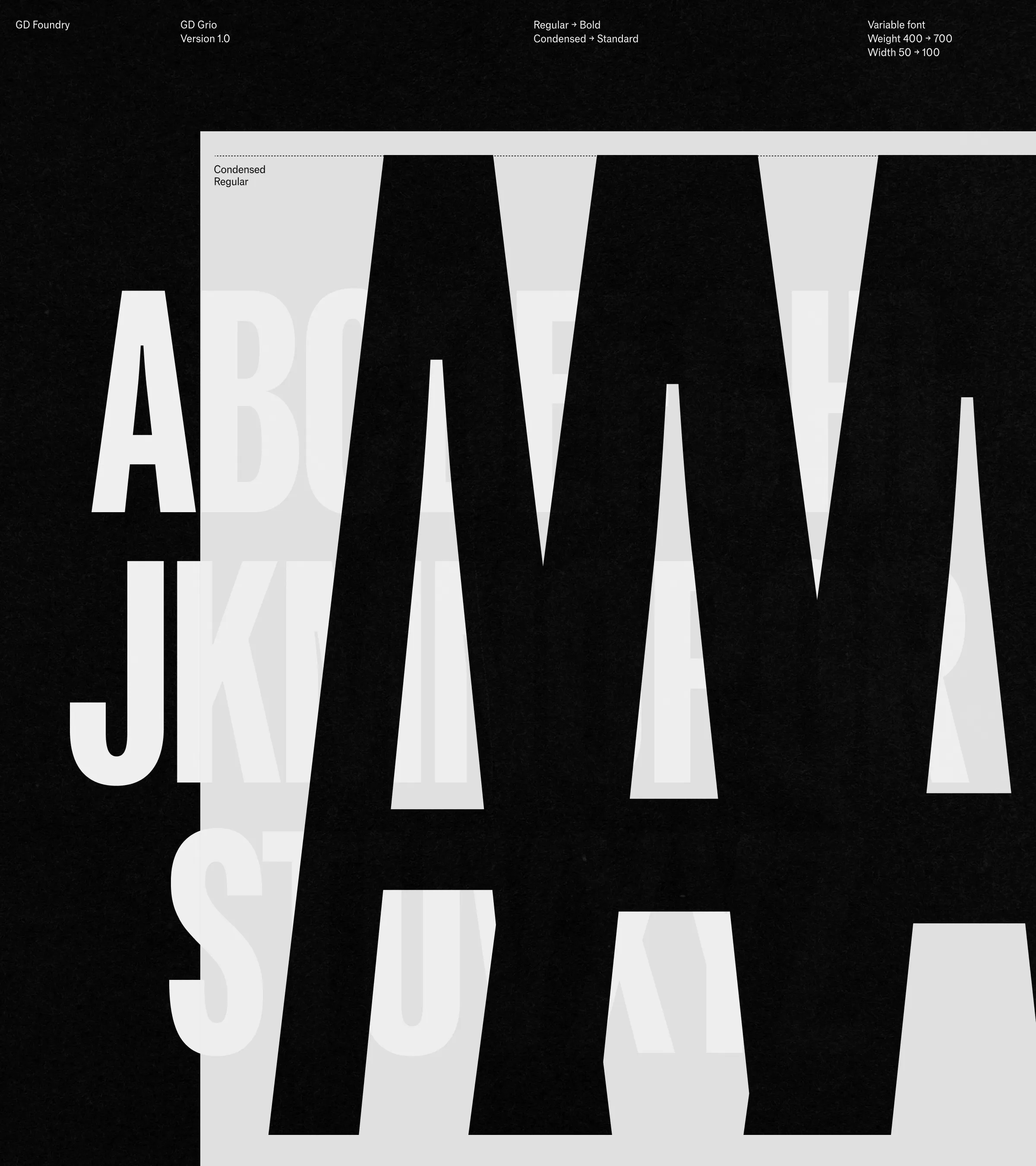
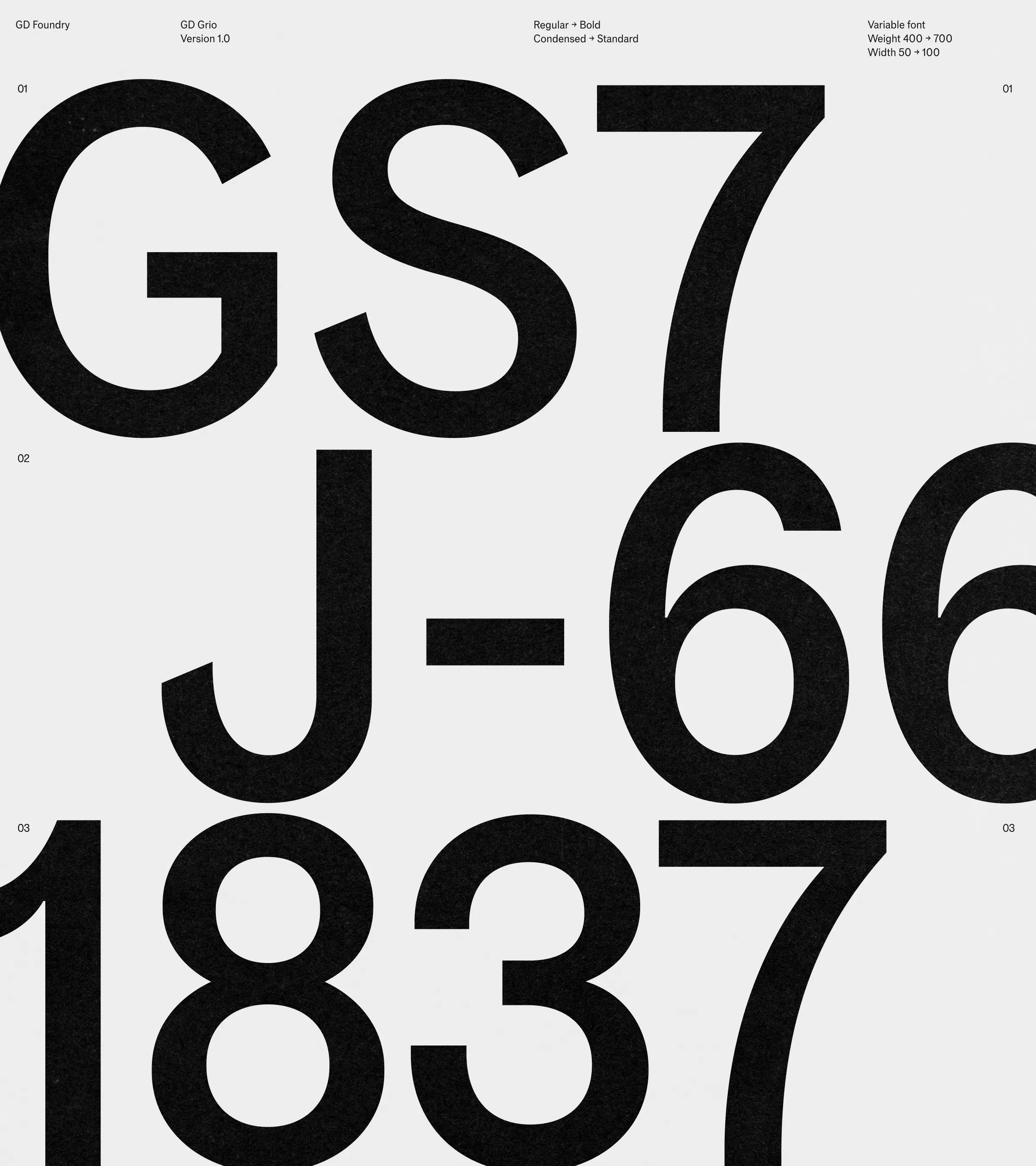
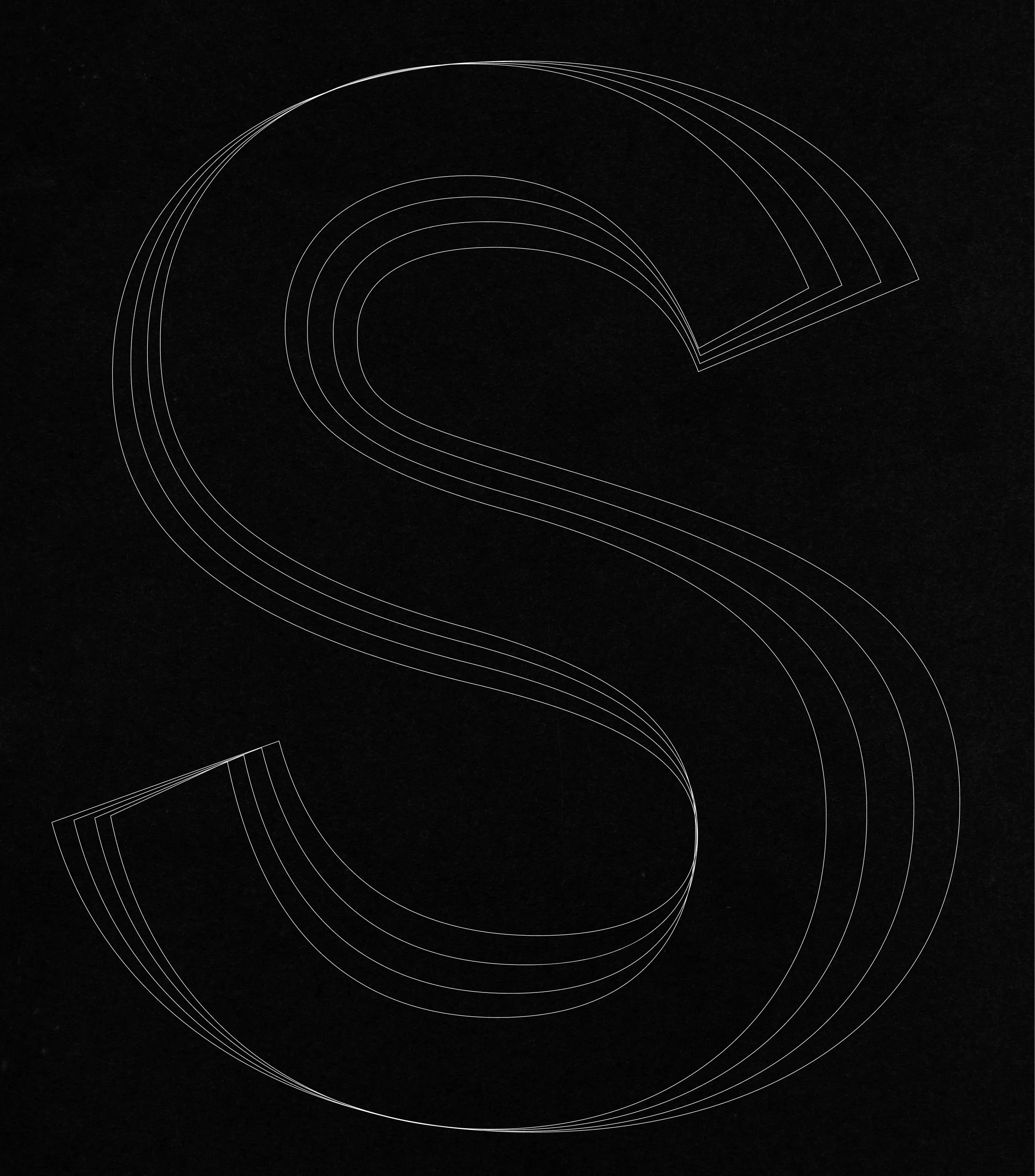
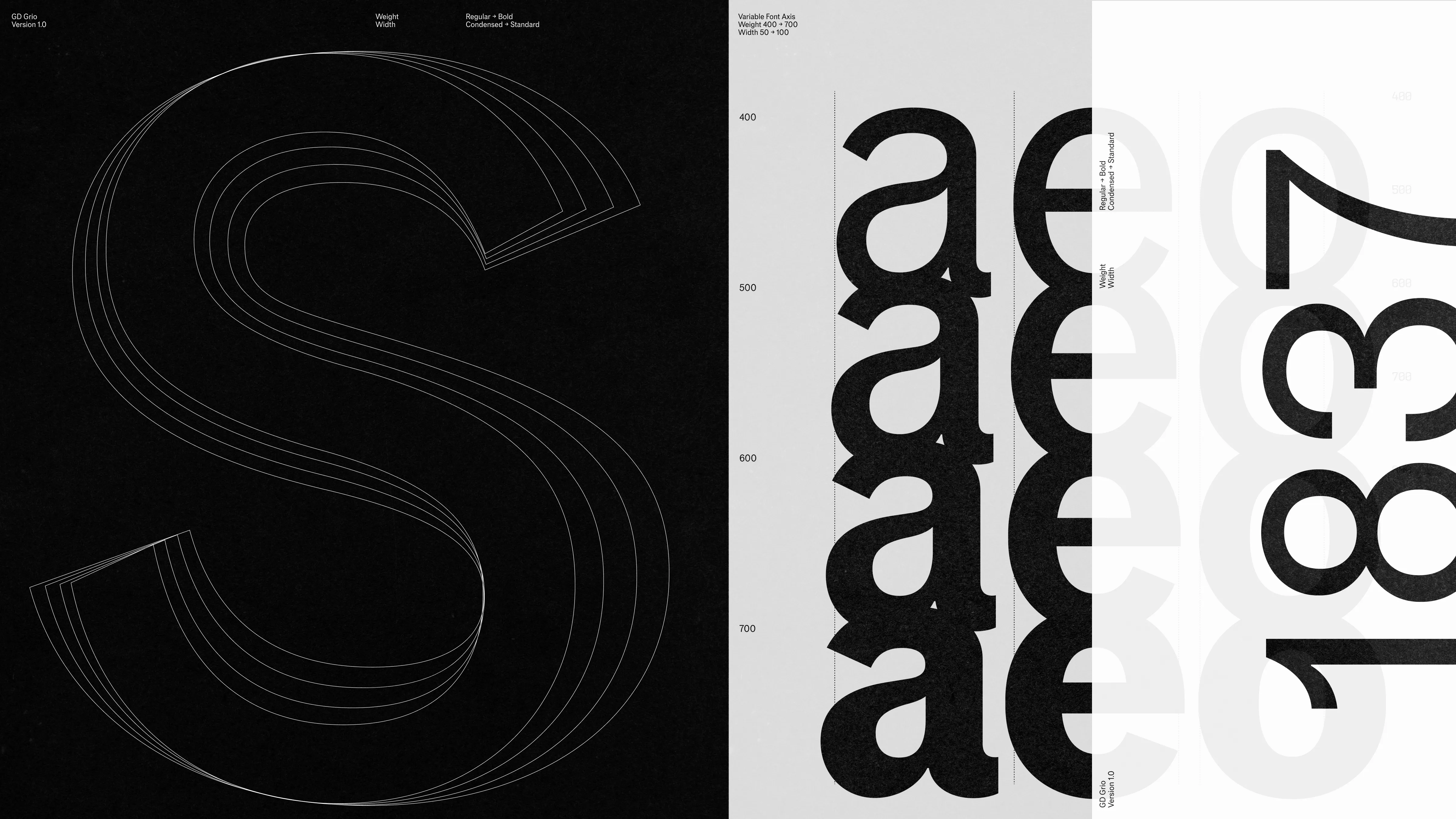
GD Grio is built on a simple yet generous idea, a typeface designed to fill space. It can condense to fit within tight compositions or expand to occupy room with confidence, maintaining rhythm and clarity across its full range.
Inspired by Venus Grotesk (1907, Bauer Type Foundry), it celebrates the raw, human charm of a transitional era in typography – when 19th-century eccentricity met 20th-century clarity. Grio embraces imperfection: uneven proportions, shifting rhythm, and curious terminals lend a living texture to every word.
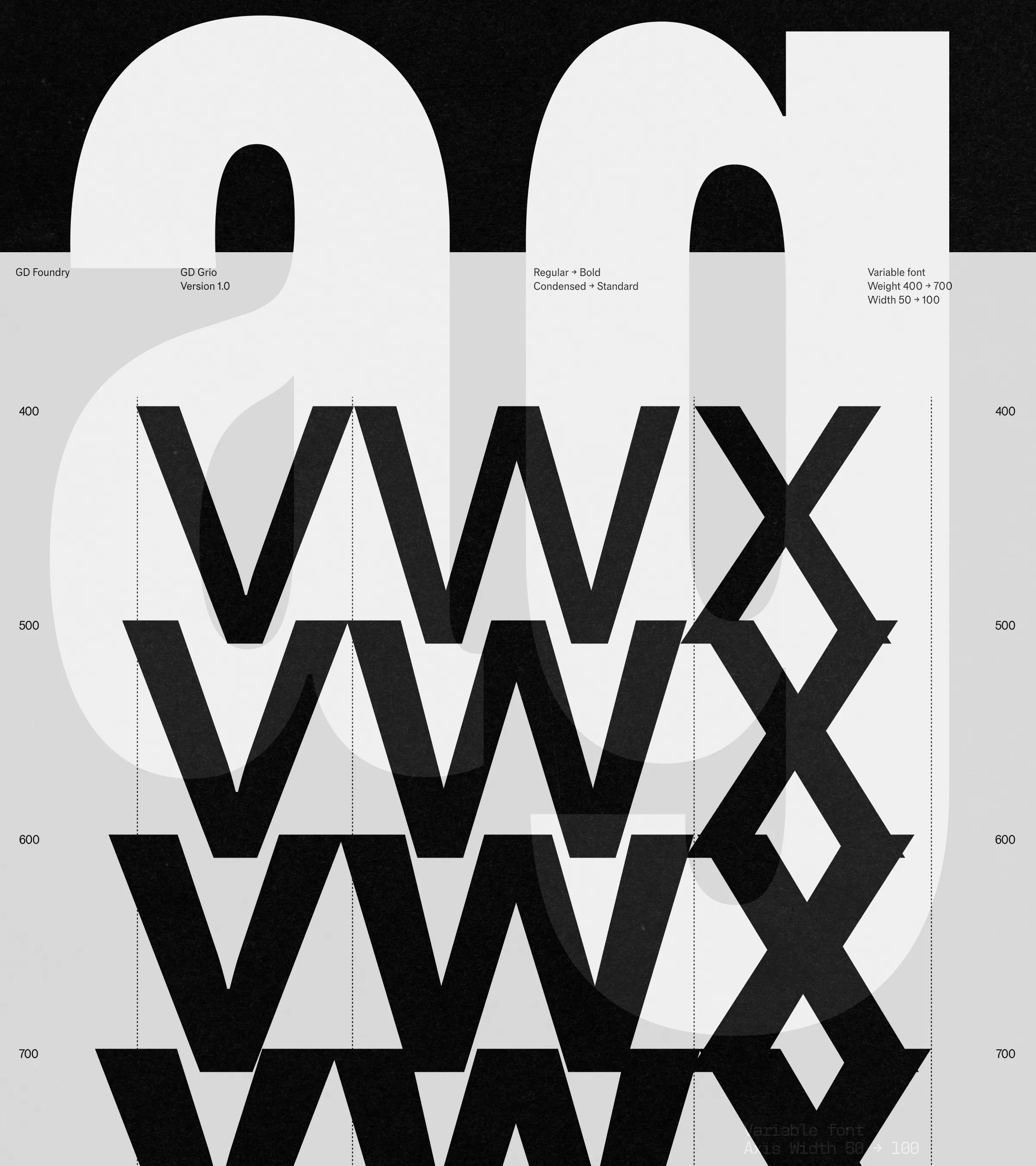
Reimagined as a variable font, it translates these historic quirks into a fluid digital form, moving seamlessly between refined text and expressive display.
- Year
- 2025
- Designer(s)
- Marcus Gärde · Christoffer Granström · Anders Wikström
- Style
- Grotesk
- Weights
- Regular · Medium · Semibold · Bold · Narrow Regular · Narrow Medium · Narrow Semibold · Narrow Bold · Extra Narrow Regular · Extra Narrow Medium · Extra Narrow Semibold · Extra Narrow Bold · Condensed Regular · Condensed Medium · Condensed Semibold · Condensed Bold
- Features
- Open Type Alternates · Proportional Numbers · Tabular Numbers
- Languages
- 200+
- UPM
- 2816
GD Grio – Imperfectly Perfect
GD Grio is built on a simple yet generous idea, a typeface designed to fill space. It can condense to fit within tight compositions or expand to occupy room with confidence, maintaining rhythm and clarity across its full range.
Inspired by Venus Grotesk (1907, Bauer Type Foundry), it celebrates the raw, human charm of a transitional era in typography – when 19th-century eccentricity met 20th-century clarity. Grio embraces imperfection: uneven proportions, shifting rhythm, and curious terminals lend a living texture to every word.
Reimagined as a variable font, it translates these historic quirks into a fluid digital form, moving seamlessly between refined text and expressive display.
- Year
- 2025
- Designer(s)
- Marcus GärdeChristoffer GranströmAnders Wikström
- Style
- Grotesk
- Weights
- RegularMediumSemiboldBoldNarrow RegularNarrow MediumNarrow SemiboldNarrow BoldExtra Narrow RegularExtra Narrow MediumExtra Narrow SemiboldExtra Narrow BoldCondensed RegularCondensed MediumCondensed SemiboldCondensed Bold
- Features
- Open Type AlternatesProportional NumbersTabular Numbers
- Languages
- 200+
- UPM
- 2816
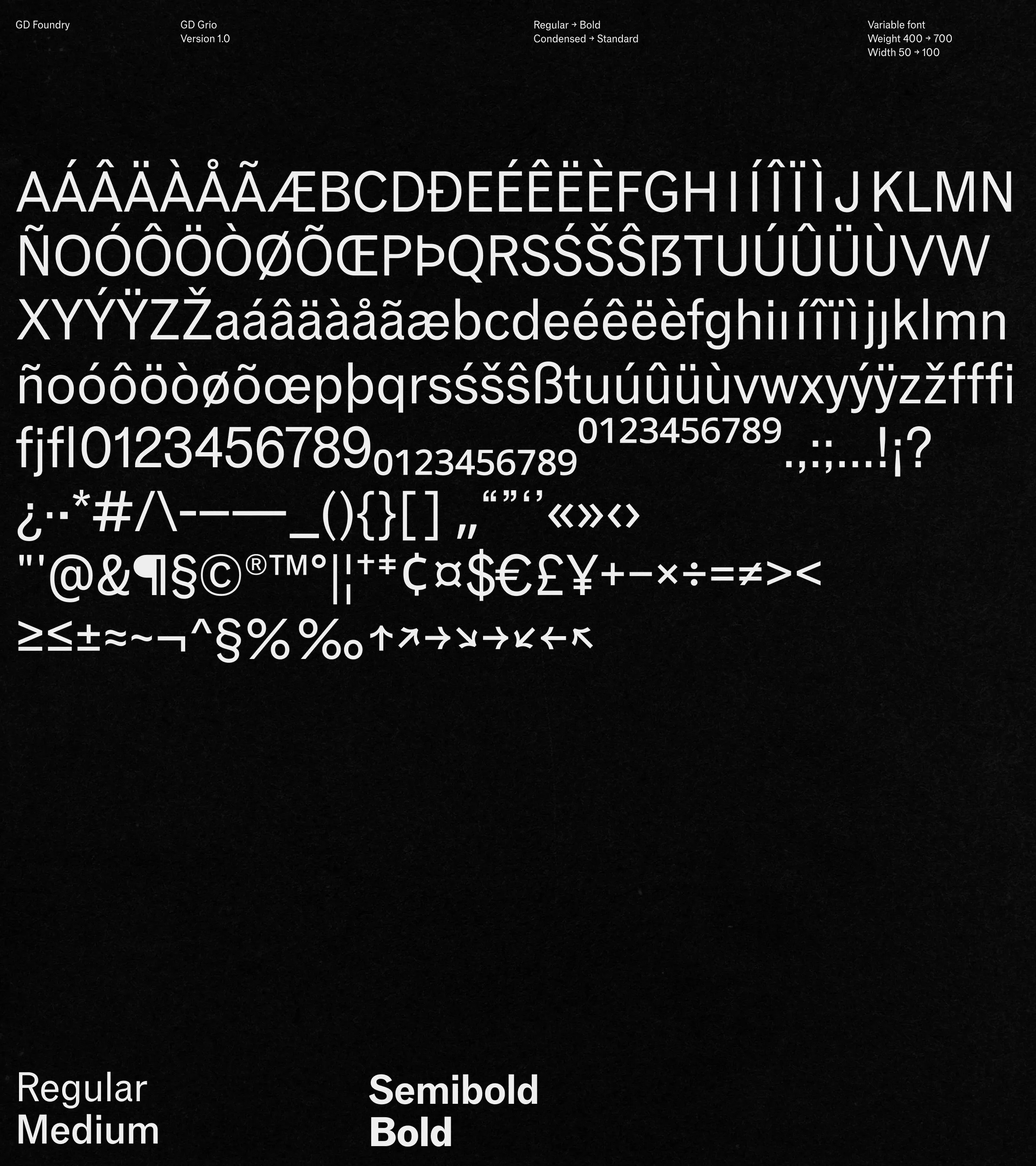
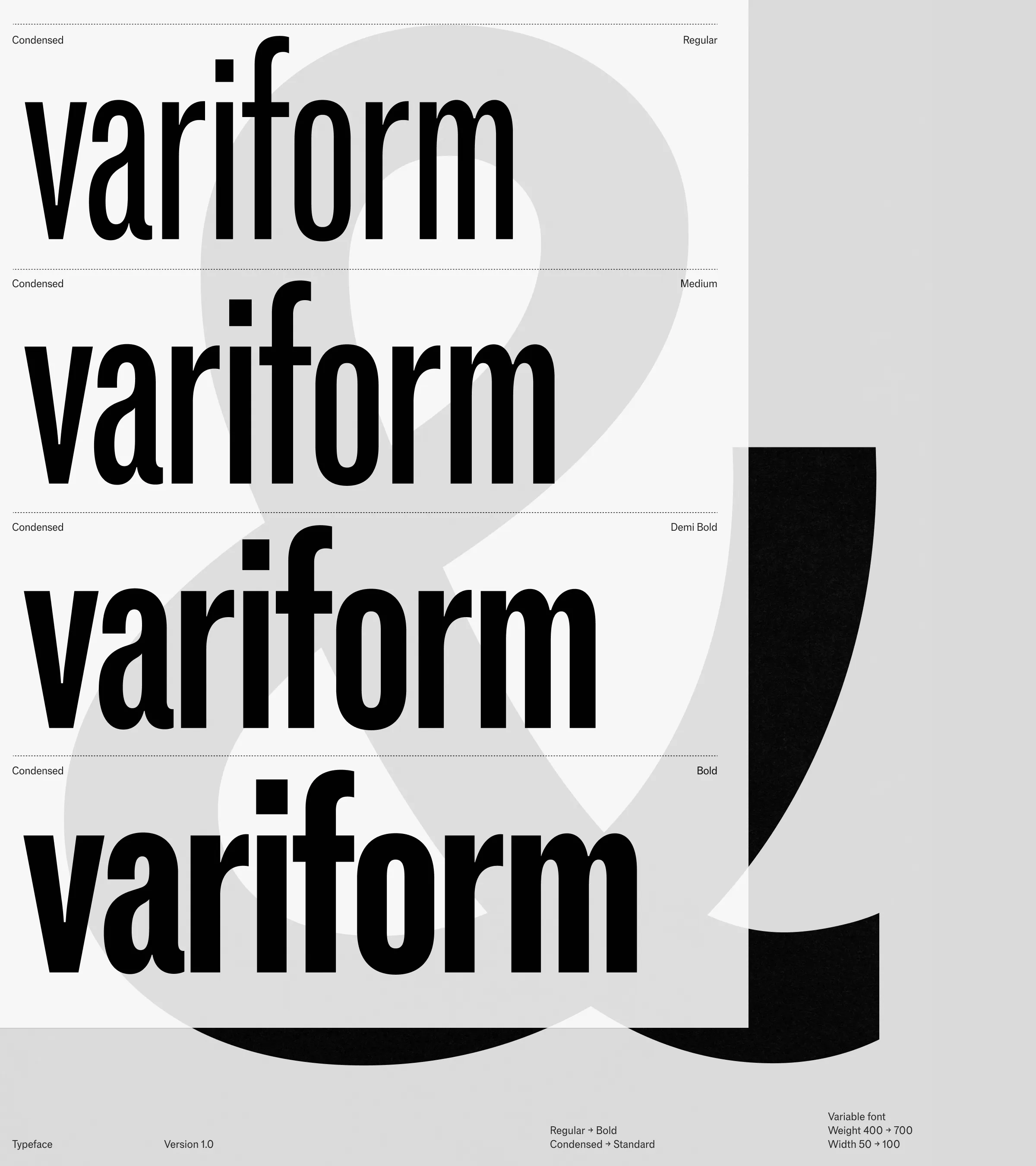
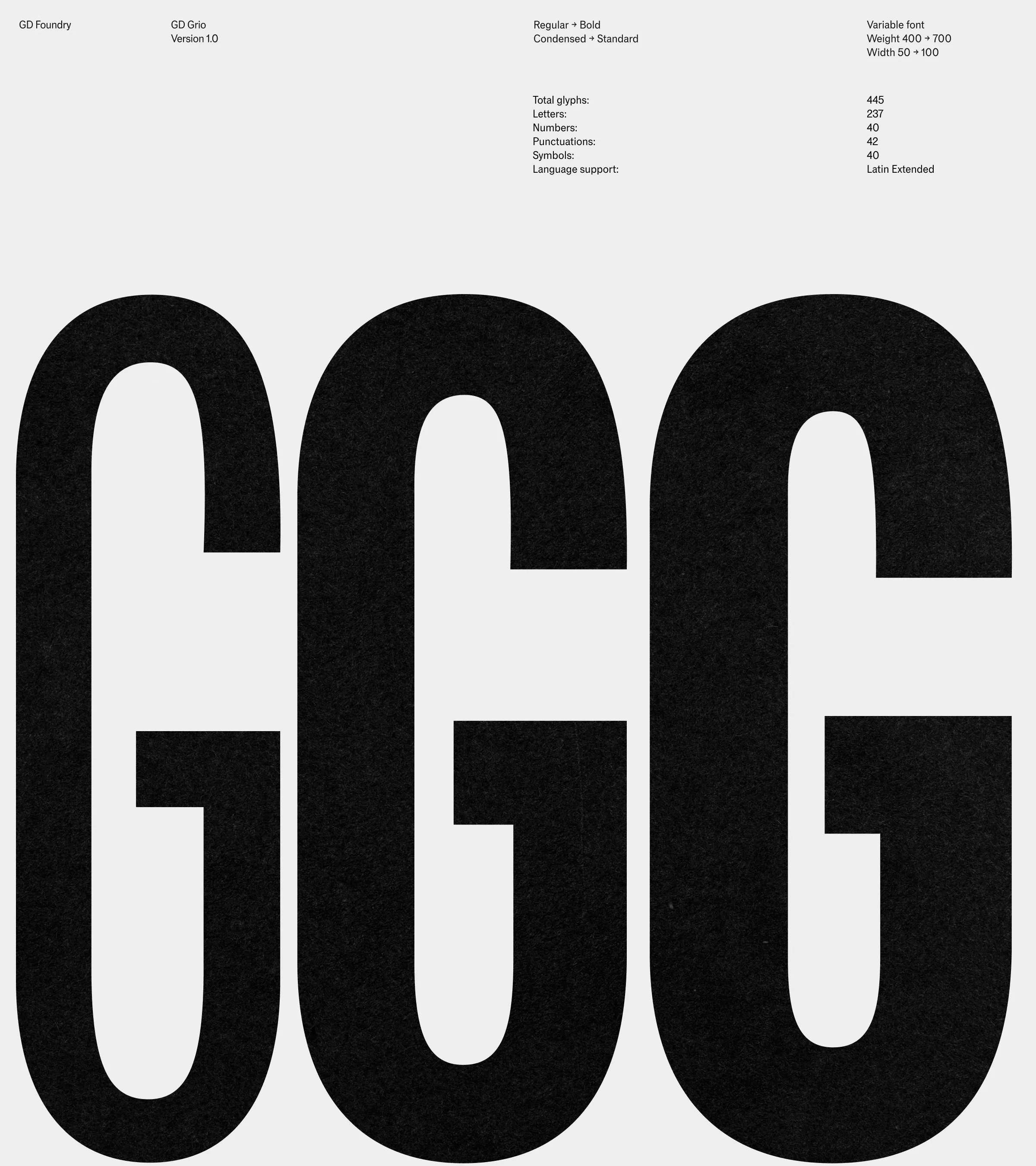
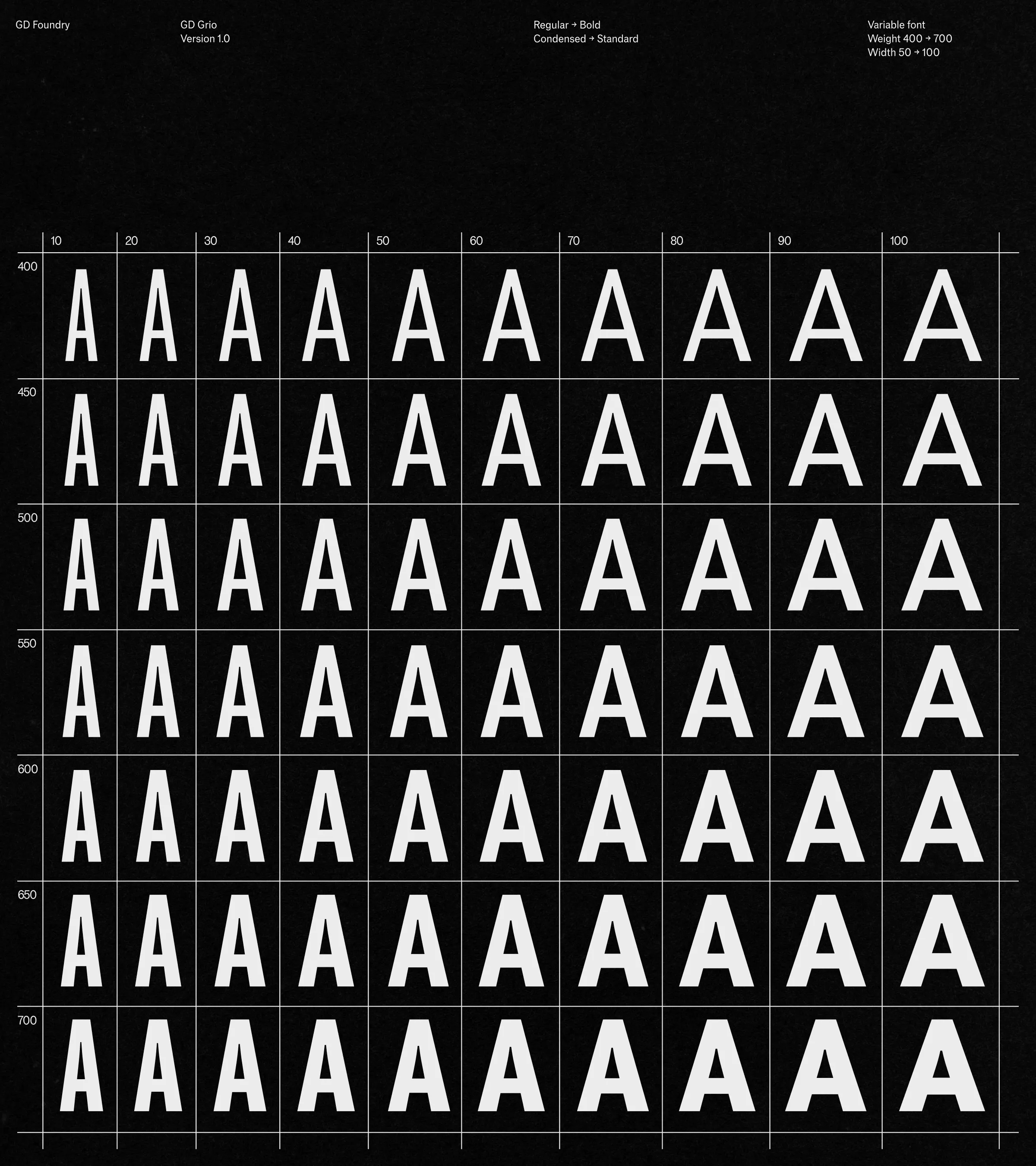
- GD Grio
- Weight
- Light
- wght
- 400
- Range
- 400–700
- Unicode name
- Latin Capital Letter A
- Unicode decimal
- 65
- Unicode hex
- 0041
- Block
- Basic Latin
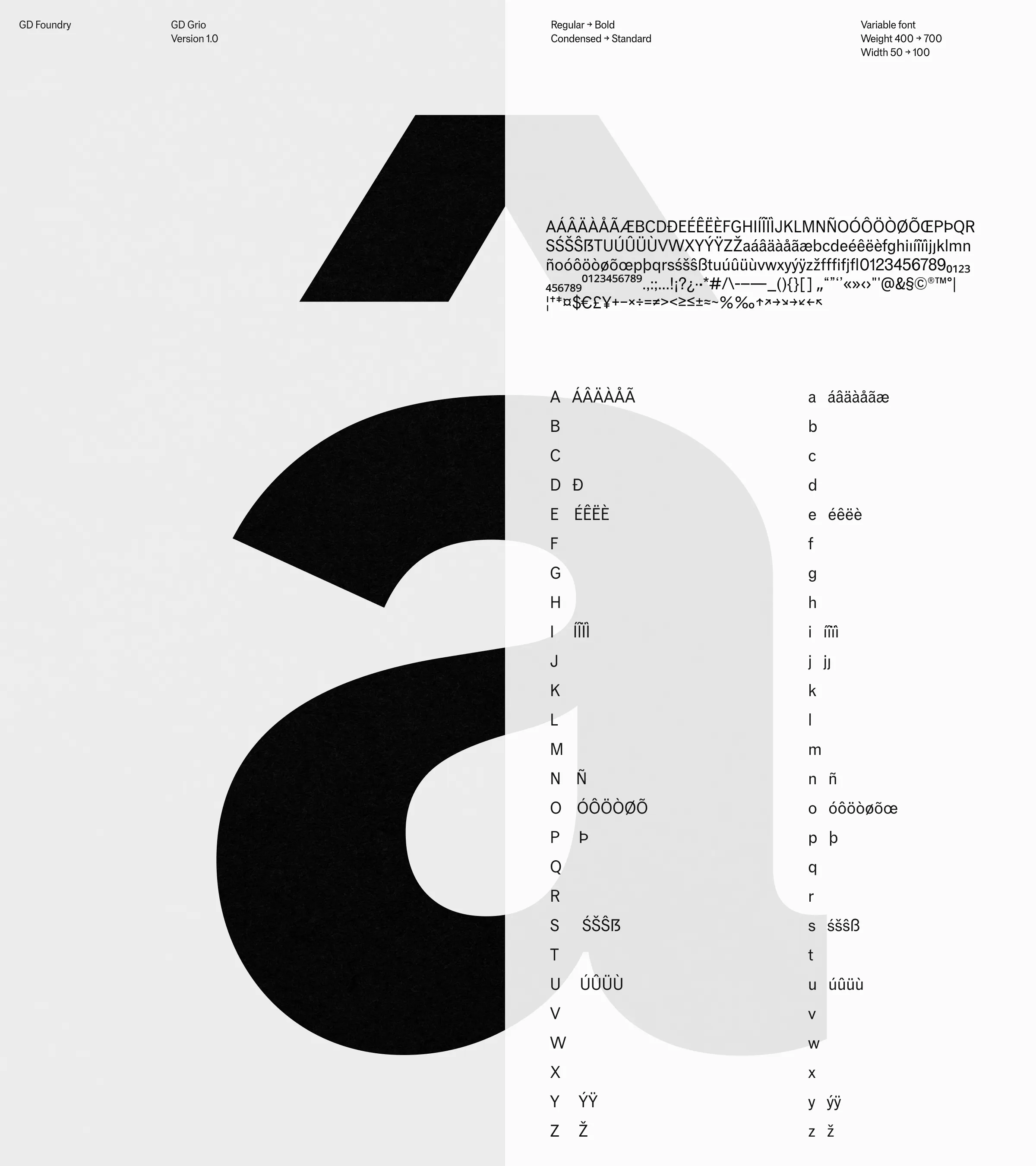
Latin script
Acheron, Achinese, Acholi, Afar, Afrikaans, Alekano, Amahuaca, Amarakaeri, Amis, Anaang, Dongolawi (Andaandi), Anuta, Aragonese, Arbëreshë Albanian, Asháninka, Ashéninka (Perené, Pichis), Balinese, Banjar, Bari, Basque, Batak (Dairi, Karo, Mandailing, Simalungun, Toba), Bemba (Zambia), Bena (Tanzania), Bikol, Bislama, Oromo (Borana, Arsi, Guji, Eastern, West Central), Breton, Buginese, Candoshi-Shapra, Caquinte, Caribbean Hindustani, Cashibo-Cacataibo, Cebuano, Aymara (Central, Southern), Chachi, Chamorro, Chavacano, Chiga, Chiltepec Chinantec, Chokwe, Chuukese, Cimbrian, Cofán, Cook Islands Māori, Cornish, Corsican, Creek, Crimean Tatar, Croatian, Czech, Dehu, Dutch, Arrernte (Eastern), English, Faroese, Fijian, Filipino, Finnish, French, Friulian, Gagauz, Galician, Ganda, Garifuna, German, Albanian (Gheg, Tosk), Gilbertese, Gooniyandi, Gourmanchéma, Guadeloupean Creole French, Gusii, Haitian Creole, Hani, Hiligaynon, Hopi, Huastec, Hungarian, Iloko, Indonesian, Irish, Istro-Romanian, Italian, Ixcatlán Mazatec, Jamaican Creole English, Javanese, Jola-Fonyi, K’iche’, Kabuverdianu (Cape Verdean Creole), Kalaallisut (Greenlandic), Kalenjin, Kaonde, Karelian, Kashubian, Q’eqchi’ (Kekchí), Kenzi-Mattokki, Khasi, Kimbundu, Kinyarwanda, Kituba (DRC), Kongo, Konzo, Kven Finnish, Ladin, Ladino (Judeo-Spanish), Latgalian, Lithuanian, Lombard, Low German, Sorbian (Lower, Upper), Luba-Lulua, Luo (Kenya & Tanzania), Luxembourgish, Aromanian (Macedo-Romanian), Makonde, Malagasy, Malay (Standard, Malaysian), Maltese, Mandinka, Mankanya, Manx, Comorian (Maore, Ngazidja), Māori, Mapudungun, Marshallese, Matsés, Mauritian Creole, Meriam Mir, Meru, Mezquital Otomi, Minangkabau, Mohawk, Montenegrin, Murrinh-Patha, Mwani, Miskito, Naga Pidgin, Ndonga, Neapolitan, Niuean, Nobiin, Nomatsiguenga, Ndebele (North, South), Uzbek (Northern), Norwegian, Nyanja (Chichewa), Nyankole, Occitan, Ojitlán Chinantec, Orma, Oroqen, Palauan, Pampanga, Papantla Totonac, Papiamento, Pedi (Northern Sotho), Picard, Piedmontese, Pijin, Pintupi-Luritja, Pipil, Pohnpeian, Polish, Portuguese, Potawatomi, Purepecha, Romanian, Romansh, Rotokas, Rundi (Kirundi), Samoan, Sango, Sangu (Tanzania), Saramaccan, Sardinian, Scots, Scottish Gaelic, Secoya, Sena, Seri, Seselwa Creole French (Seychellois), Shawnee, Shipibo-Conibo, Shona, Sicilian, Silesian, Slovak, Slovenian, Soga, Somali, Soninke, Miao (Northern & Southern Qiandong), Sotho (Southern), Spanish, Sranan Tongo, Estonian, Latvian, Sundanese, Swahili, Swedish, Swiss German, Tagalog, Tahitian, Tedim Chin, Tetum (Dili), Tok Pisin, Tokelau, Tongan (Islands, Zambia), Tumbuka, Turkish, Turkmen, Tzeltal, Tzotzil, Uab Meto, Crioulo (Upper Guinea), Venetian, Veps, Võro, Walloon, Waray (Philippines), Warlpiri, Wayuu, Welsh, Abnaki (Western), Frisian (Western), Wiradjuri, Wolof, Xhosa, Yanesha’, Yao, Yucatec Maya, Zapotec, Zulu, Záparo.