GD Trio
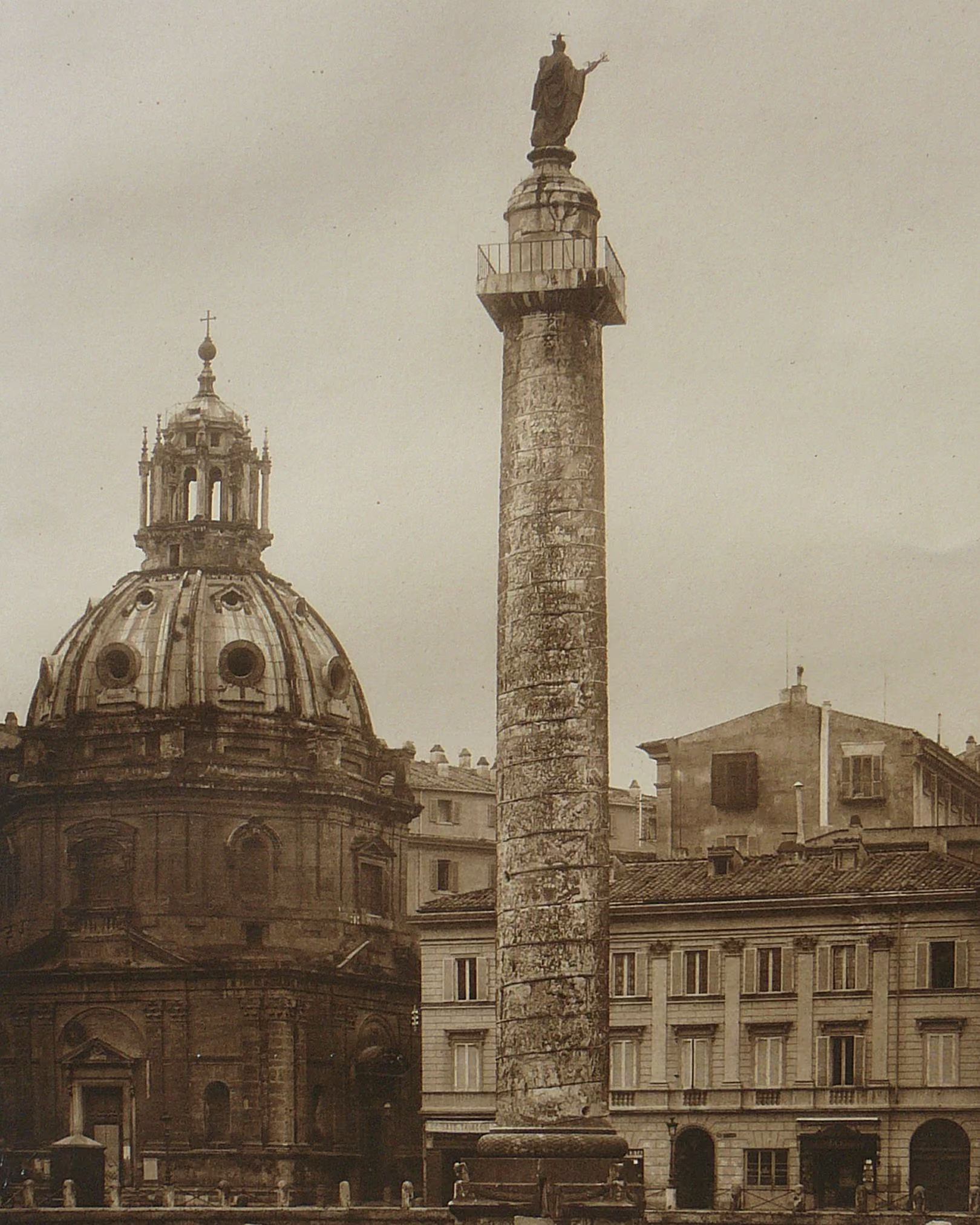
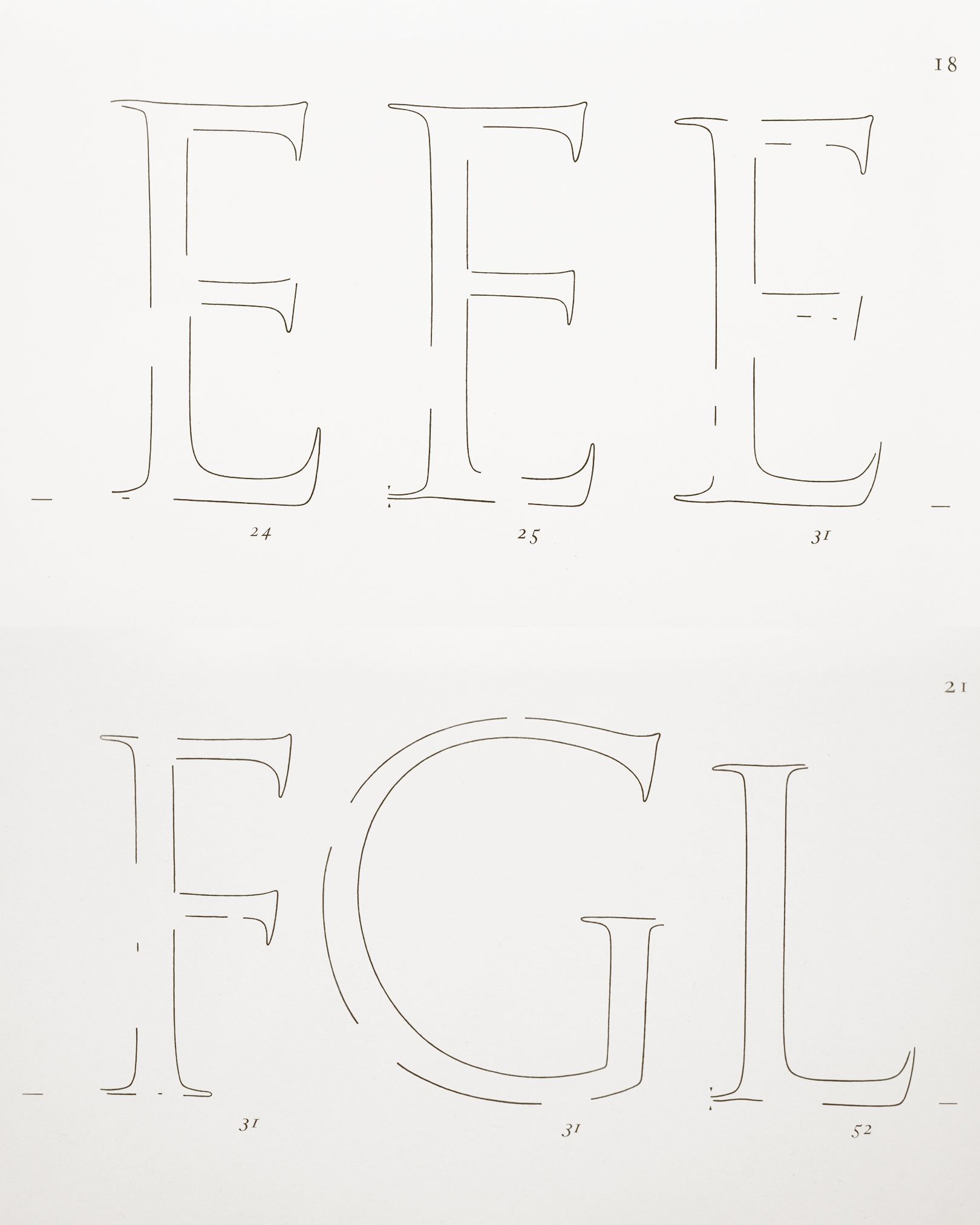
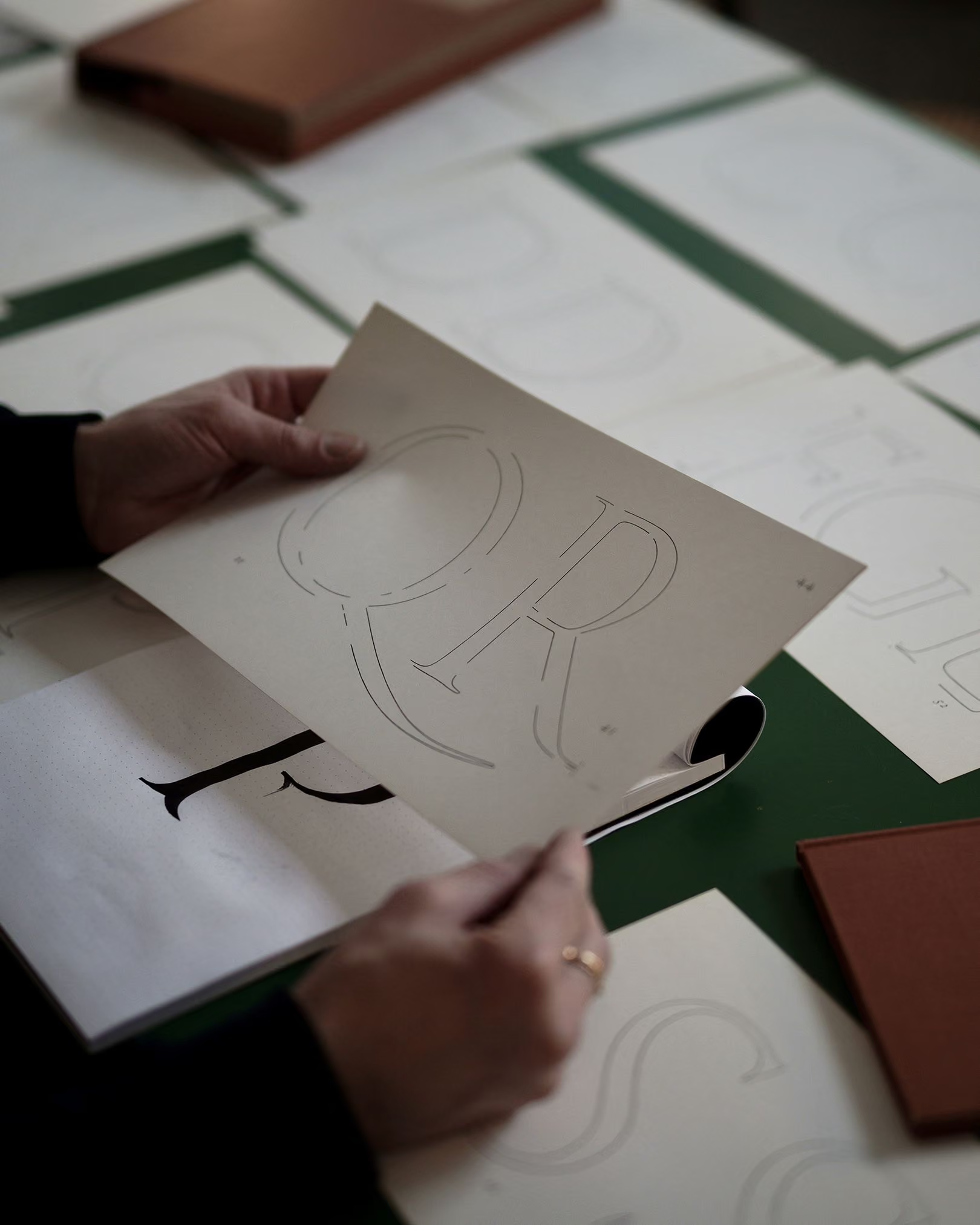
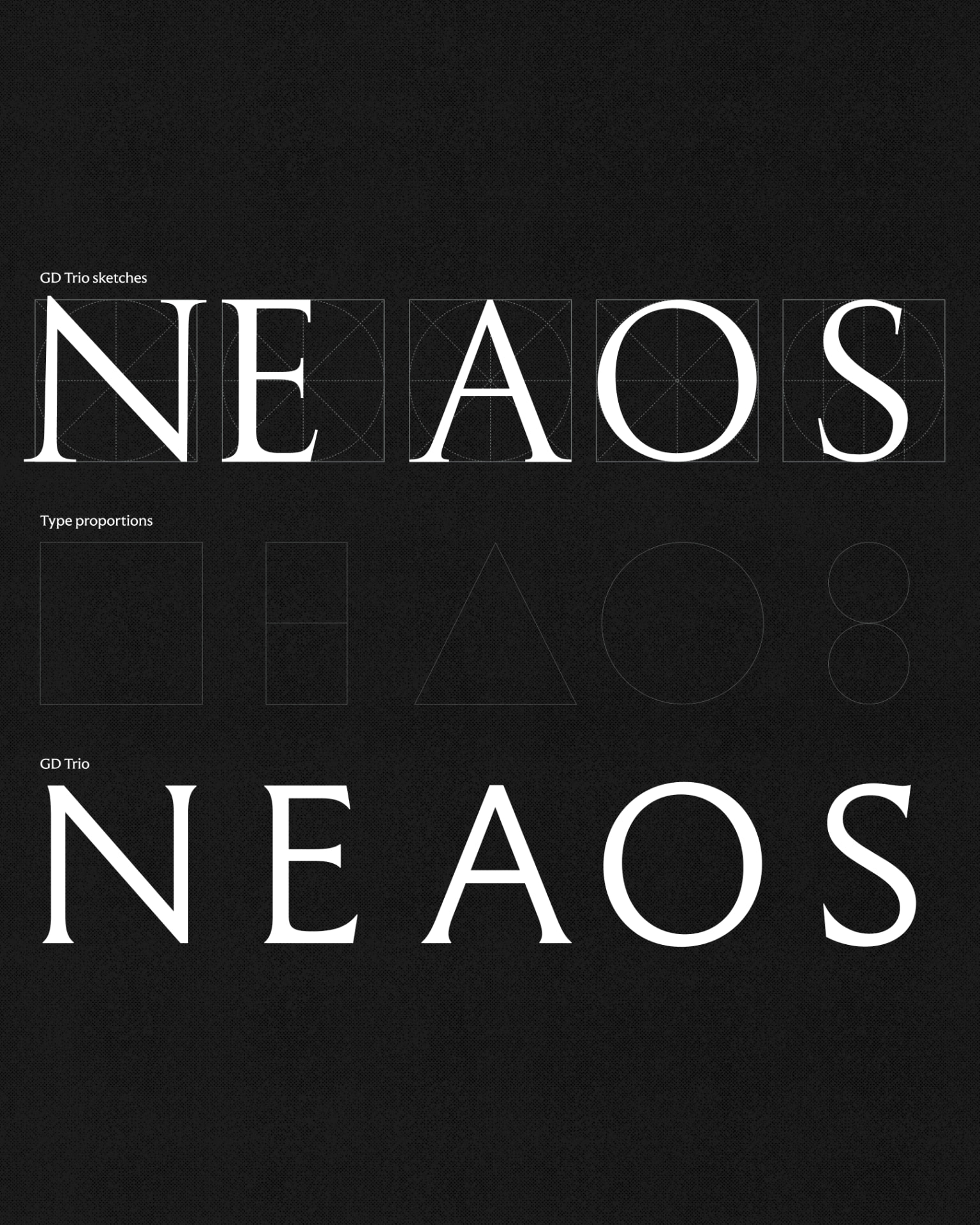
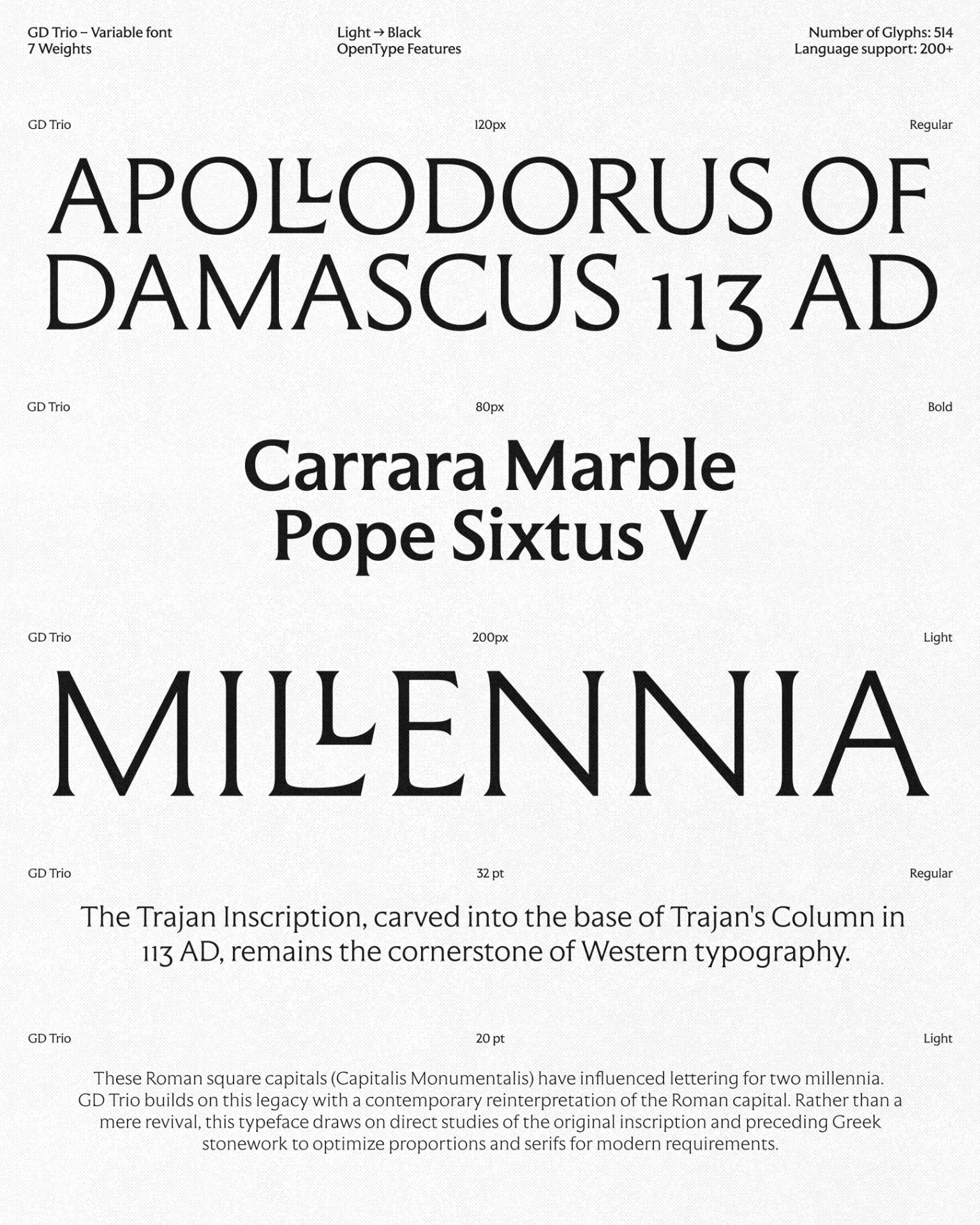
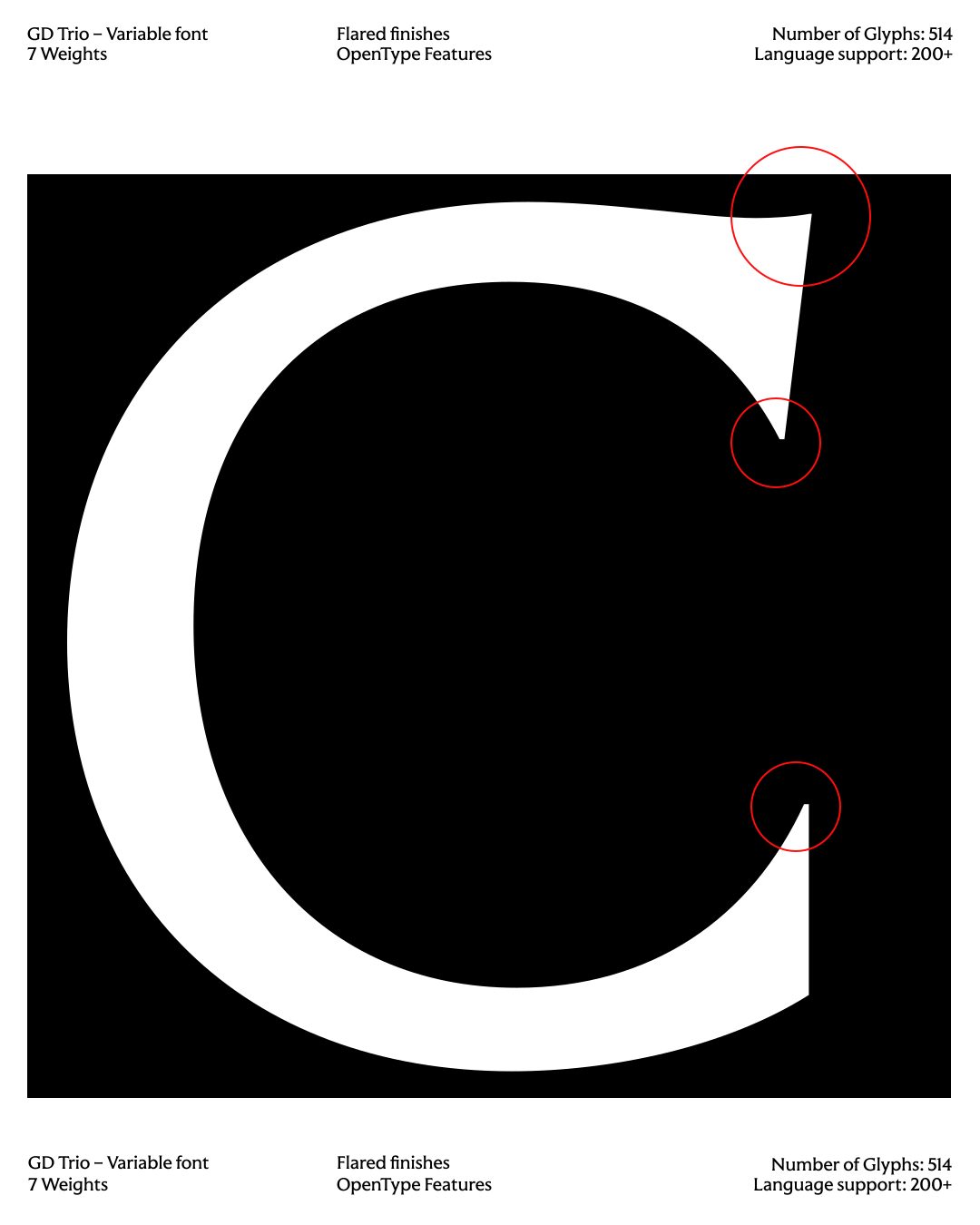
The Trajan Inscription, carved into the base of Trajan's Column in 113 AD, remains the cornerstone of Western typography. These Roman square capitals (Capitalis Monumentalis) have influenced lettering for two millennia, evolving through Renaissance geometric systems to Carol Twombly's 1989 Adobe Trajan. GD Trio builds on this legacy with a contemporary reinterpretation of the Roman capital. Rather than a mere revival, this typeface draws on direct studies of the original inscription and preceding Greek stonework to optimize proportions and serifs for modern requirements. GD Trio prioritizes clarity and permanence, offering precision without imitation.
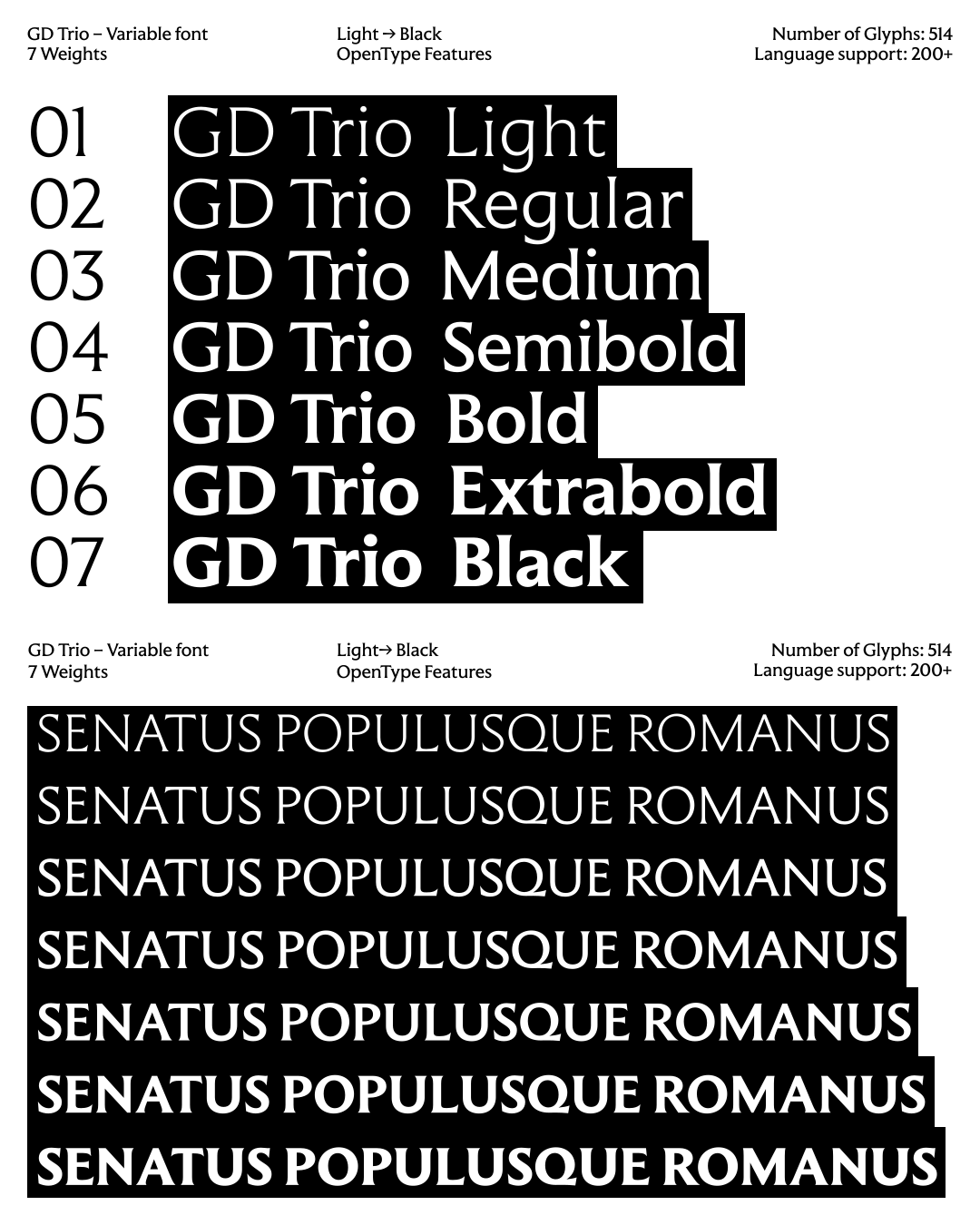
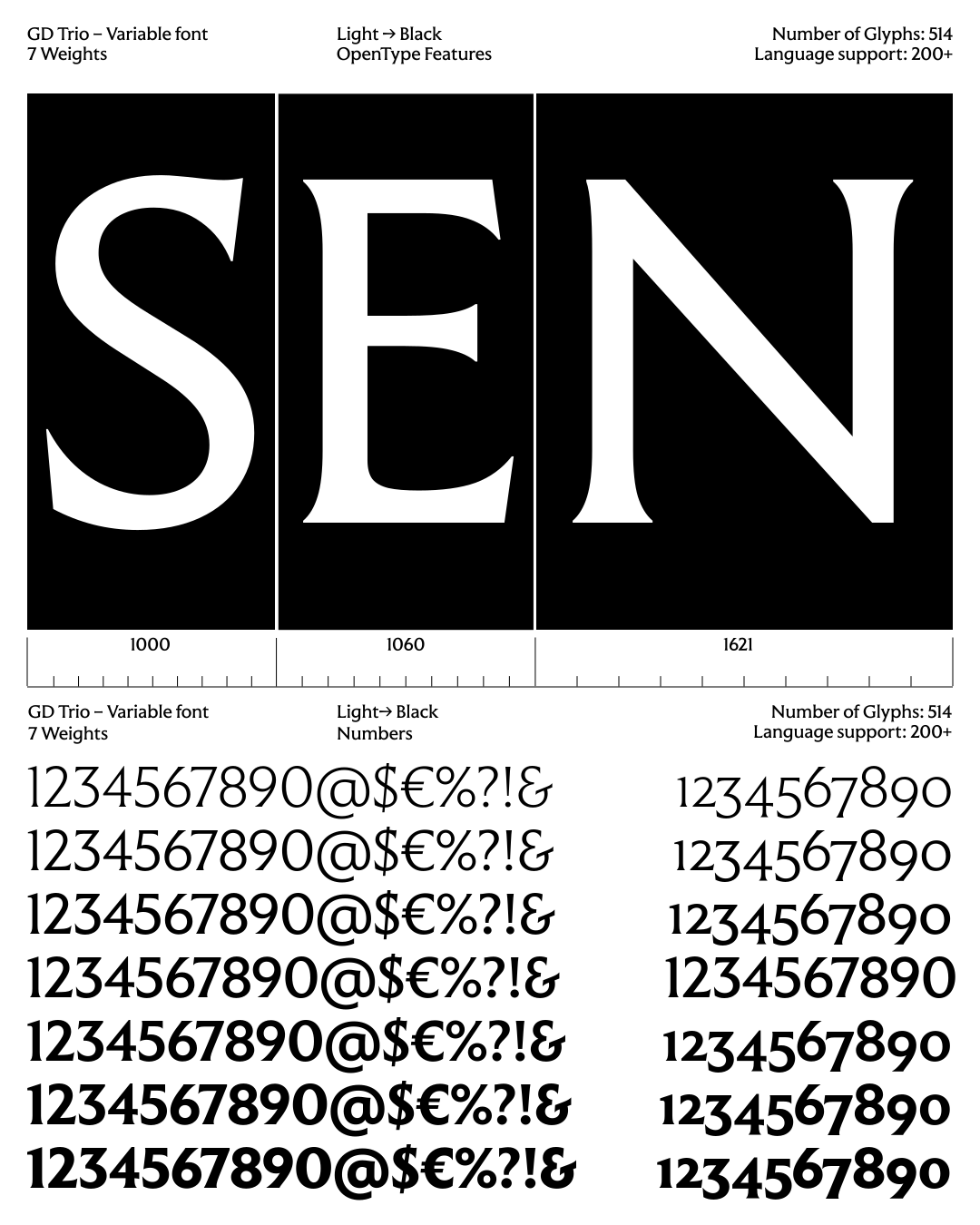
The family includes seven weights, ranging from Light to Black. While the Black weight is an unconventional departure from classical norms, its inclusion adds a bold, experimental dimension to the collection. GD Trio resolves ancient forms for the modern era, a typeface rooted in history but refined for today.
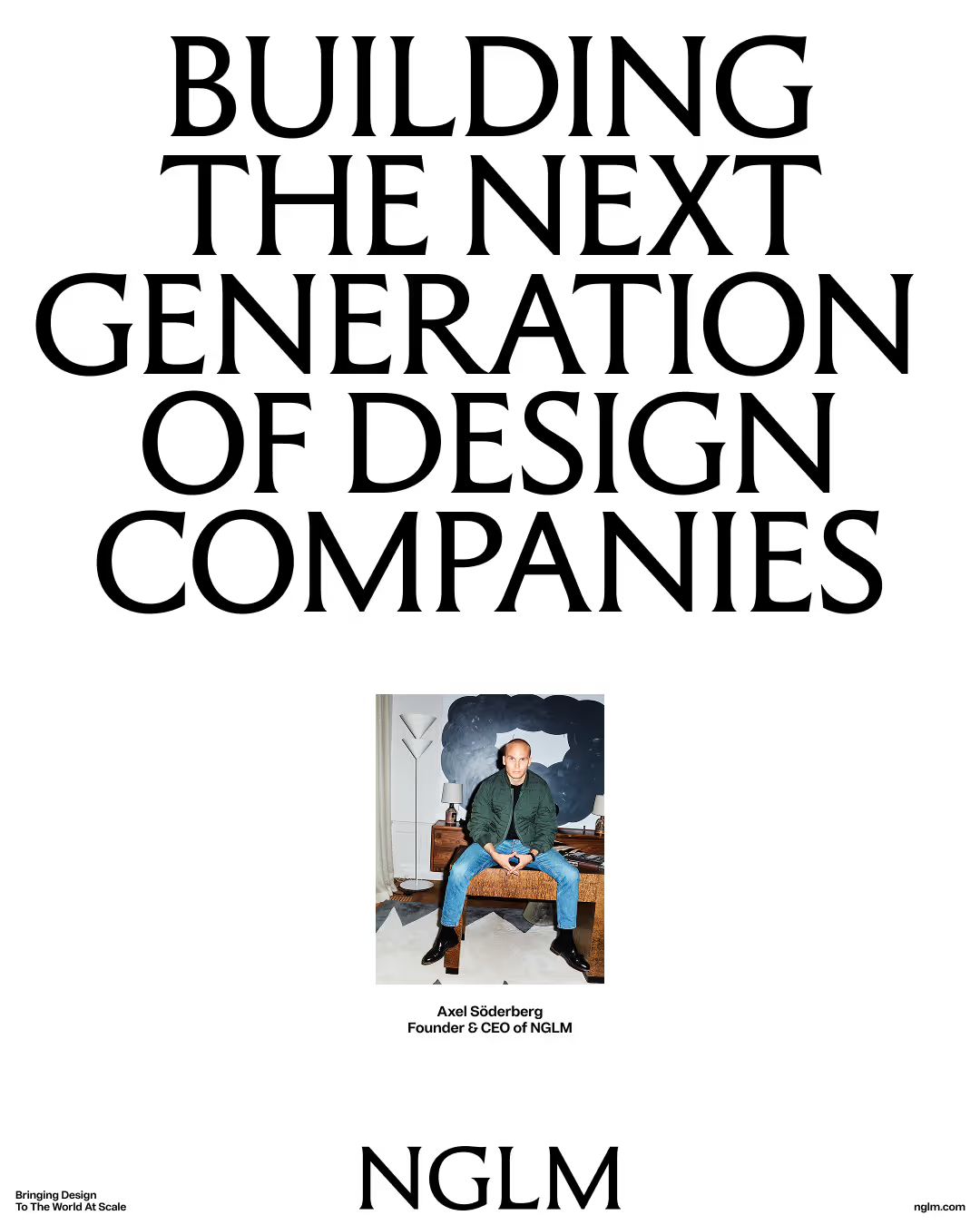
We initially developed this typeface for the visual identity of [NGLM](https://gardedesign.com/work/nglm), a collection of design-oriented companies spanning legacy brands and new innovators, united by one ambition: to become world leaders in design. For the full case on NGLM's use of GD Trio (shown in one weight, GD Trio Medium), take a look at our [case here](https://gardedesign.com/work/nglm).
- Year
- 2026
- Designer(s)
- Marcus Gärde · Christoffer Granström · Anders Wikström
- Style
- Flare Serif
- Weights
- Light · Regular · Medium · Semibold · Bold · Extra Bold · Black
- Features
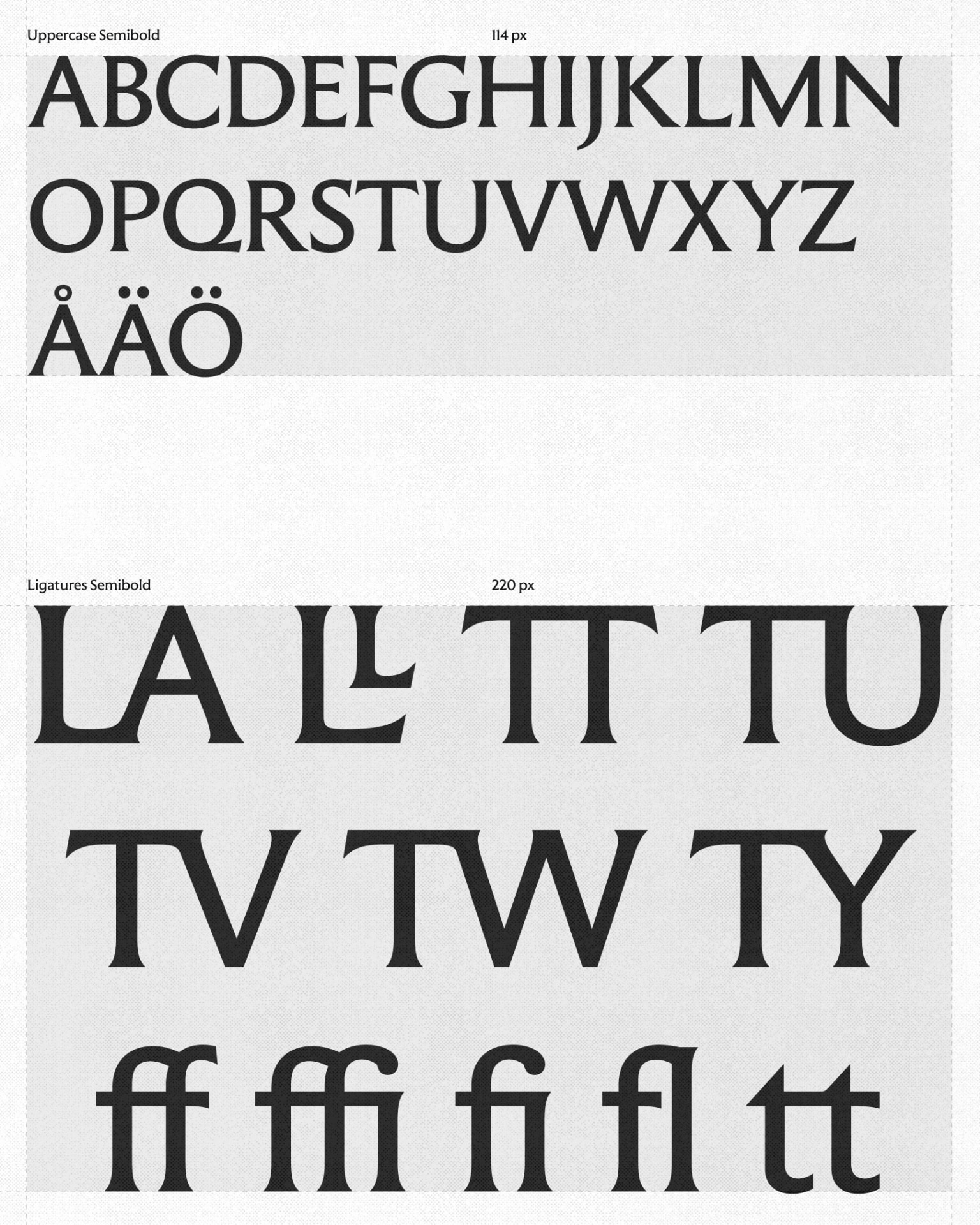
- Oldstyle Numbers · Proportional Numbers · Standard Ligatures · Rare Ligatures · Case-Sensitive Forms
- Languages
- 200+
- UPM
- 2048
GD Trio – Roman Capitals, Reconsidered.
The Trajan Inscription, carved into the base of Trajan's Column in 113 AD, remains the cornerstone of Western typography. These Roman square capitals (Capitalis Monumentalis) have influenced lettering for two millennia, evolving through Renaissance geometric systems to Carol Twombly's 1989 Adobe Trajan. GD Trio builds on this legacy with a contemporary reinterpretation of the Roman capital. Rather than a mere revival, this typeface draws on direct studies of the original inscription and preceding Greek stonework to optimize proportions and serifs for modern requirements. GD Trio prioritizes clarity and permanence, offering precision without imitation.
The family includes seven weights, ranging from Light to Black. While the Black weight is an unconventional departure from classical norms, its inclusion adds a bold, experimental dimension to the collection. GD Trio resolves ancient forms for the modern era, a typeface rooted in history but refined for today.
We initially developed this typeface for the visual identity of [NGLM](https://gardedesign.com/work/nglm), a collection of design-oriented companies spanning legacy brands and new innovators, united by one ambition: to become world leaders in design. For the full case on NGLM's use of GD Trio (shown in one weight, GD Trio Medium), take a look at our [case here](https://gardedesign.com/work/nglm).
- Year
- 2026
- Designer(s)
- Marcus GärdeChristoffer GranströmAnders Wikström
- Style
- Flare Serif
- Weights
- LightRegularMediumSemiboldBoldExtra BoldBlack
- Features
- Oldstyle NumbersProportional NumbersStandard LigaturesRare LigaturesCase-Sensitive Forms
- Languages
- 200+
- UPM
- 2048
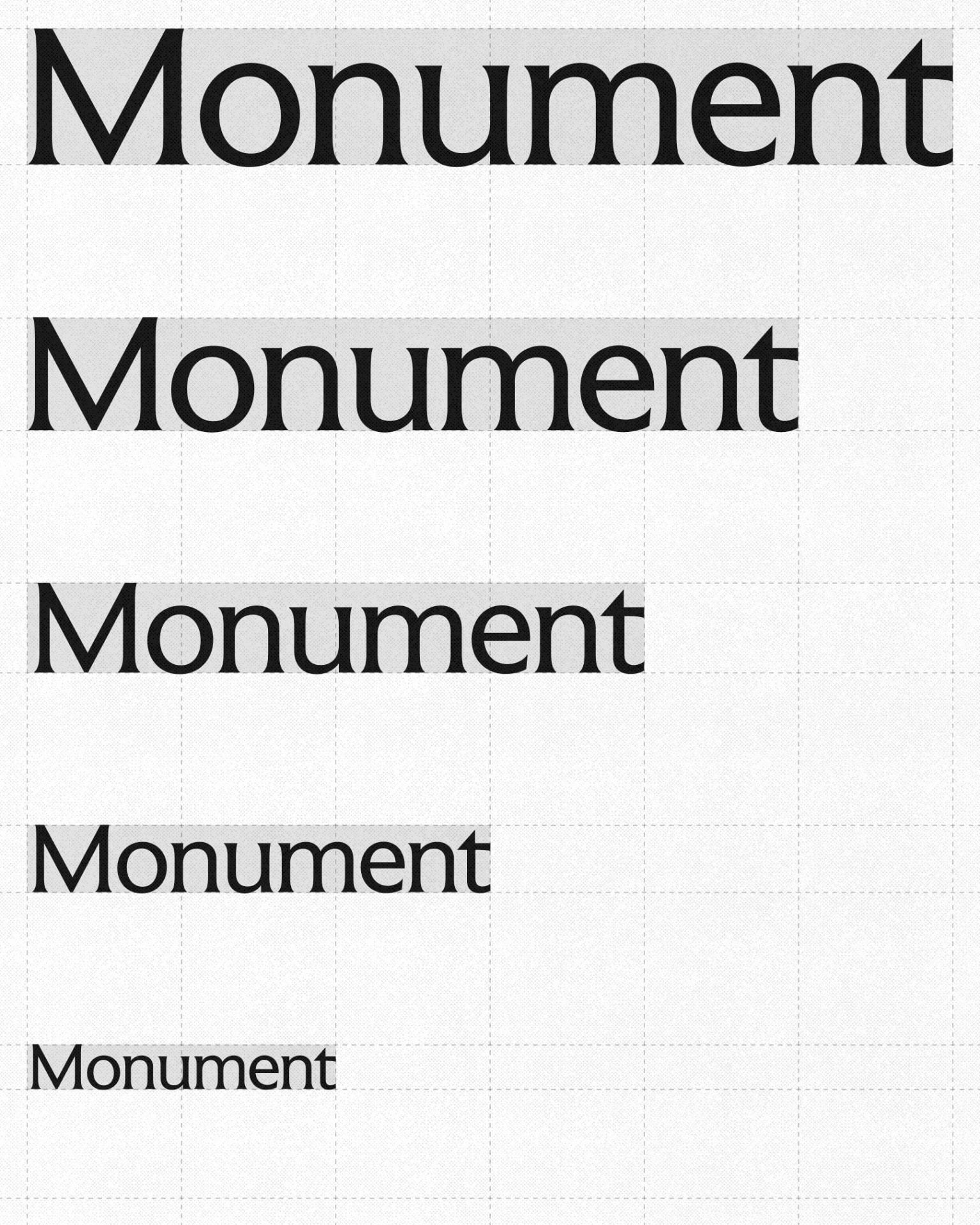
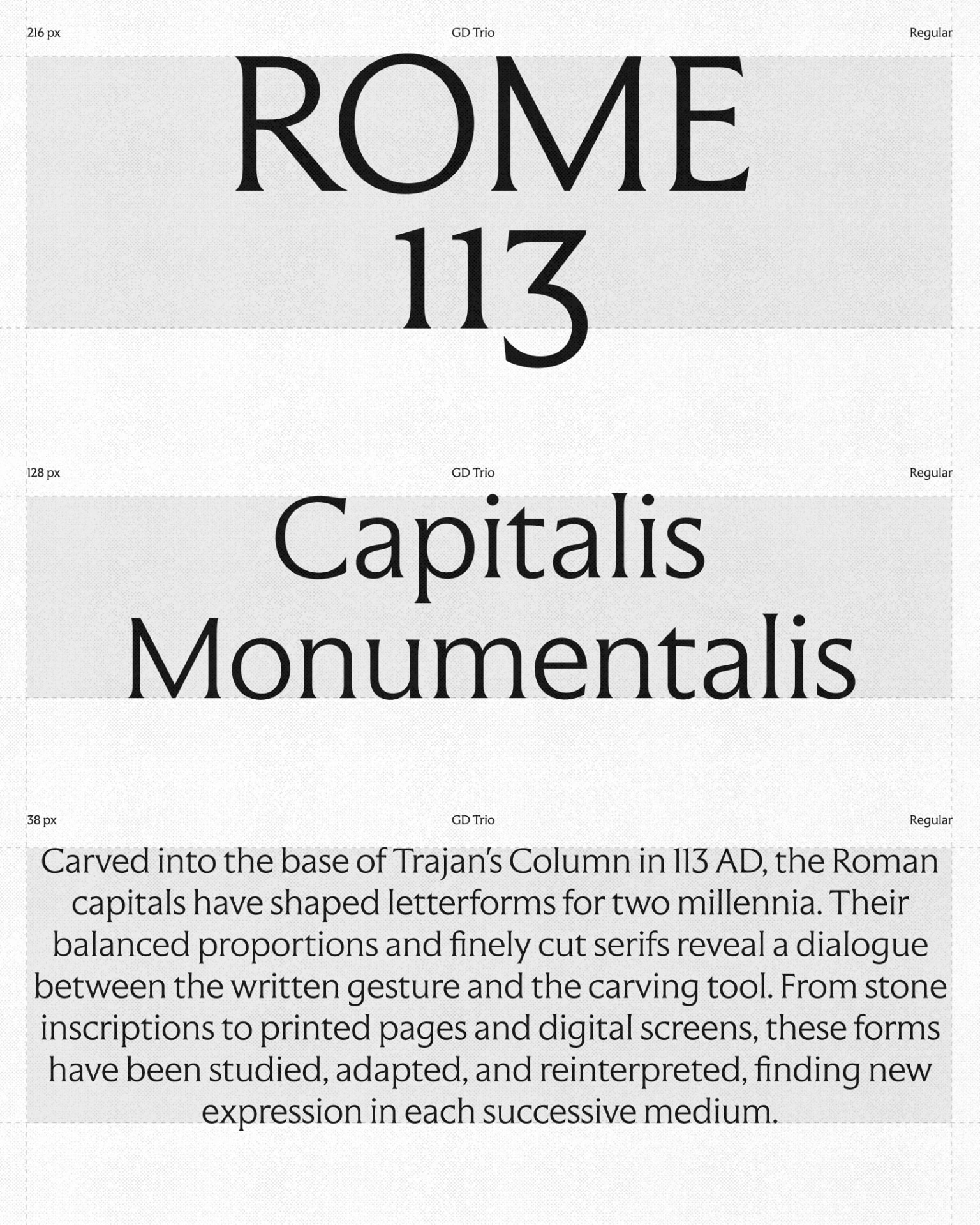
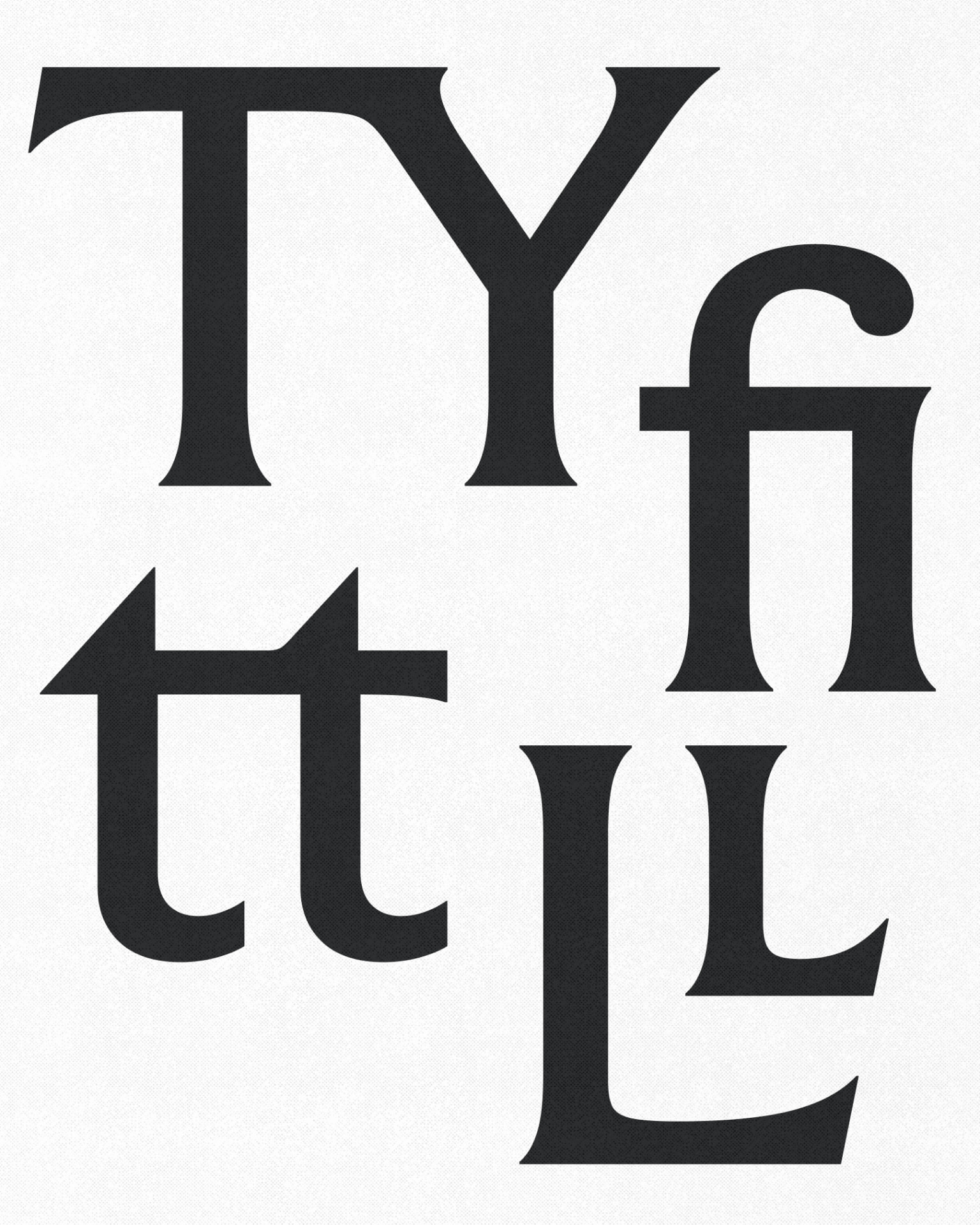
NGLM Case (Gärde Design Studio)
GD Trio Medium
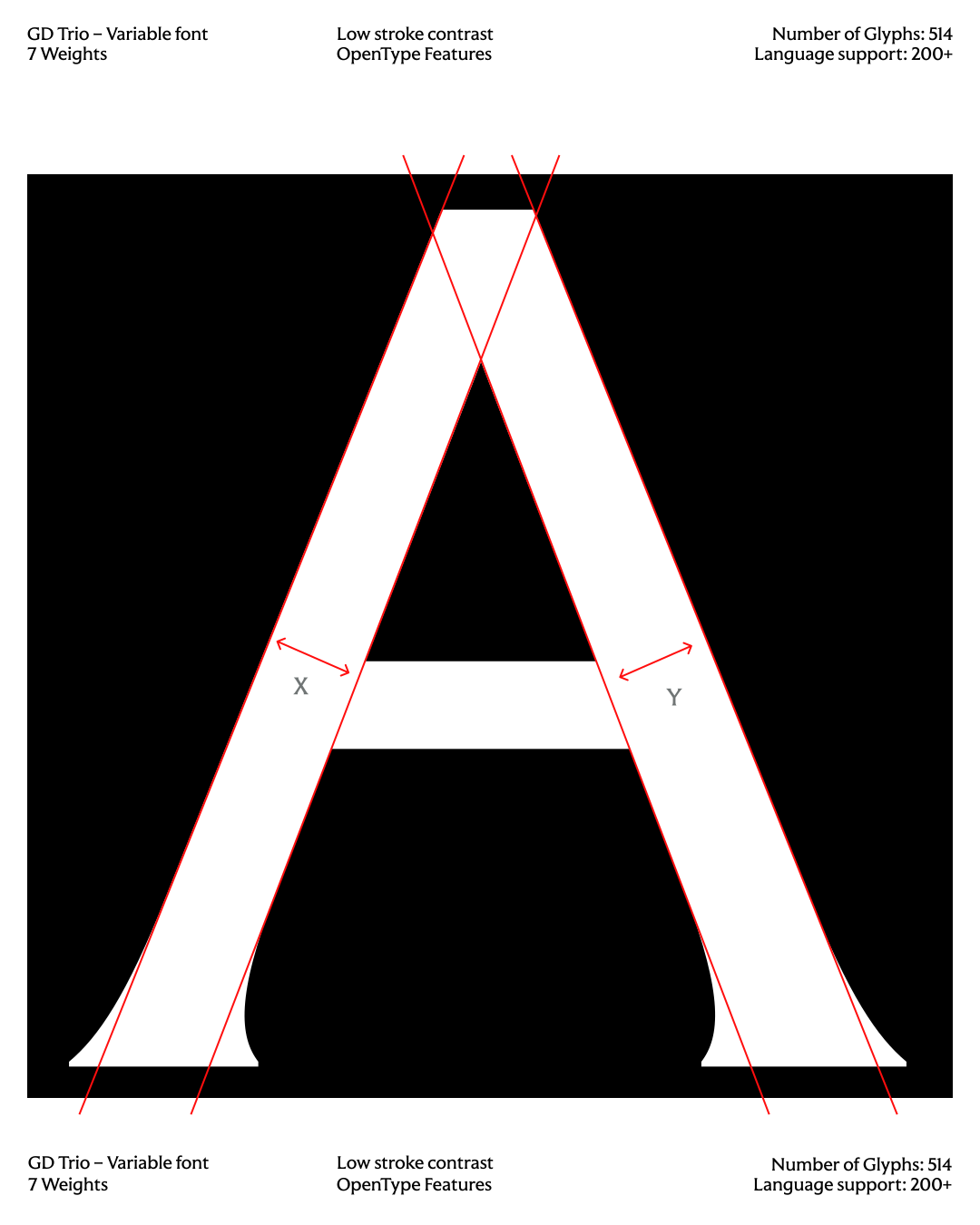
- GD Trio
- Weight
- Light
- wght
- 300
- Range
- 300–900
- Unicode name
- Latin Capital Letter A
- Unicode decimal
- 65
- Unicode hex
- 0041
- Block
- Basic Latin
Latin script
Acheron, Achinese, Acholi, Afar, Afrikaans, Alekano, Amahuaca, Amarakaeri, Amis, Anaang, Dongolawi (Andaandi), Anuta, Aragonese, Arbëreshë Albanian, Asháninka, Ashéninka (Perené, Pichis), Balinese, Banjar, Bari, Basque, Batak (Dairi, Karo, Mandailing, Simalungun, Toba), Bemba (Zambia), Bena (Tanzania), Bikol, Bislama, Oromo (Borana, Arsi, Guji, Eastern, West Central), Breton, Buginese, Candoshi-Shapra, Caquinte, Caribbean Hindustani, Cashibo-Cacataibo, Cebuano, Aymara (Central, Southern), Chachi, Chamorro, Chavacano, Chiga, Chiltepec Chinantec, Chokwe, Chuukese, Cimbrian, Cofán, Cook Islands Māori, Cornish, Corsican, Creek, Crimean Tatar, Croatian, Czech, Dehu, Dutch, Arrernte (Eastern), English, Faroese, Fijian, Filipino, Finnish, French, Friulian, Gagauz, Galician, Ganda, Garifuna, German, Albanian (Gheg, Tosk), Gilbertese, Gooniyandi, Gourmanchéma, Guadeloupean Creole French, Gusii, Haitian Creole, Hani, Hiligaynon, Hopi, Huastec, Hungarian, Iloko, Indonesian, Irish, Istro-Romanian, Italian, Ixcatlán Mazatec, Jamaican Creole English, Javanese, Jola-Fonyi, K’iche’, Kabuverdianu (Cape Verdean Creole), Kalaallisut (Greenlandic), Kalenjin, Kaonde, Karelian, Kashubian, Q’eqchi’ (Kekchí), Kenzi-Mattokki, Khasi, Kimbundu, Kinyarwanda, Kituba (DRC), Kongo, Konzo, Kven Finnish, Ladin, Ladino (Judeo-Spanish), Latgalian, Lithuanian, Lombard, Low German, Sorbian (Lower, Upper), Luba-Lulua, Luo (Kenya & Tanzania), Luxembourgish, Aromanian (Macedo-Romanian), Makonde, Malagasy, Malay (Standard, Malaysian), Maltese, Mandinka, Mankanya, Manx, Comorian (Maore, Ngazidja), Māori, Mapudungun, Marshallese, Matsés, Mauritian Creole, Meriam Mir, Meru, Mezquital Otomi, Minangkabau, Mohawk, Montenegrin, Murrinh-Patha, Mwani, Miskito, Naga Pidgin, Ndonga, Neapolitan, Niuean, Nobiin, Nomatsiguenga, Ndebele (North, South), Uzbek (Northern), Norwegian, Nyanja (Chichewa), Nyankole, Occitan, Ojitlán Chinantec, Orma, Oroqen, Palauan, Pampanga, Papantla Totonac, Papiamento, Pedi (Northern Sotho), Picard, Piedmontese, Pijin, Pintupi-Luritja, Pipil, Pohnpeian, Polish, Portuguese, Potawatomi, Purepecha, Romanian, Romansh, Rotokas, Rundi (Kirundi), Samoan, Sango, Sangu (Tanzania), Saramaccan, Sardinian, Scots, Scottish Gaelic, Secoya, Sena, Seri, Seselwa Creole French (Seychellois), Shawnee, Shipibo-Conibo, Shona, Sicilian, Silesian, Slovak, Slovenian, Soga, Somali, Soninke, Miao (Northern & Southern Qiandong), Sotho (Southern), Spanish, Sranan Tongo, Estonian, Latvian, Sundanese, Swahili, Swedish, Swiss German, Tagalog, Tahitian, Tedim Chin, Tetum (Dili), Tok Pisin, Tokelau, Tongan (Islands, Zambia), Tumbuka, Turkish, Turkmen, Tzeltal, Tzotzil, Uab Meto, Crioulo (Upper Guinea), Venetian, Veps, Võro, Walloon, Waray (Philippines), Warlpiri, Wayuu, Welsh, Abnaki (Western), Frisian (Western), Wiradjuri, Wolof, Xhosa, Yanesha’, Yao, Yucatec Maya, Zapotec, Zulu, Záparo.